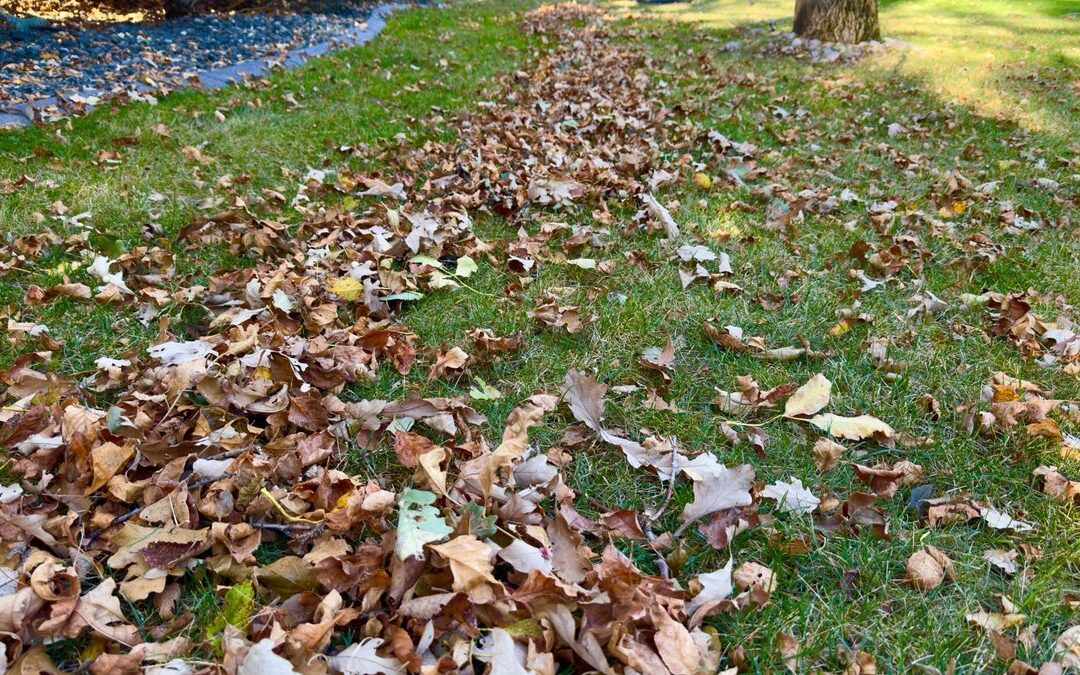
A shade tree that sheds leaves in July is often reacting to heat and dry soil. Some species do it by design. Here is how to read the signs before you change the watering.
Why Sacramento Shade Trees Drop Leaves in Summer
read more

A shade tree that sheds leaves in July is often reacting to heat and dry soil. Some species do it by design. Here is how to read the signs before you change the watering.
Old weed cloth rarely lifts out in one clean sheet. Mulch, gravel and roots tie it down. These are the ways to pull it up while protecting the plants you plan to keep.
A big tree growing into overhead wires is not a weekend pruning job. Utility rules, state clearance laws and electrical safety orders decide who does the work and how close anyone can get.
An allowance is a placeholder for a material or fixture you have not picked yet. It can make a bid look tidy and still move the final bill. Here is how to read one.

A napkin sketch shows the idea. A buildable plan shows where every edge, slope and pipe goes. Here is what separates the two and how to tell which one your project needs.
A landscaping contract decides what happens when plans change, weather stalls work or a payment comes due. These are the questions to settle on paper before the first shovel goes in.
The spot where trunk meets roots hides many tree problems. Buried flares, string trimmer wounds and wet mulch can all start decline there. Here is what to look for at ground level.
Old valley oaks grew up with dry summers and wet winters. Lawns, sprinklers and new beds can upset that balance. Here is how to garden under an oak while keeping it healthy.

Tear out looks like the easy part of a yard project. Done in the wrong order, it can cut irrigation lines, crush roots and leave mud in the street. Here is a sensible sequence.

City of Sacramento water customers follow sprinkler days set by season and house number. Other providers set their own rules. Here is how to read the schedule for your address.
Bare soil that keeps washing off beside a path is a sign of how water leaves the paving. Here is how to read the pattern and slow it down without reworking the whole walk.
A landscape job can send mud, mulch and concrete wash water down the gutter in one afternoon. Here is how to keep that material on the property while the work is underway.
Artificial grass in full sun can get far hotter than the air, and nearby glass or pale walls can add more light. Here is what testing shows and how placement changes it.
Grass that thins in the same worn paths every summer is often growing on packed ground. Here is how to confirm compaction and what to do about it before laying new turf.
Spreading a yard project over several seasons is common. The trick is doing the work in an order that never forces you to dig up something you just finished.
Sticky in winter and rock hard in August, clay is a familiar story in many Sacramento yards. Here is how to recognize it and work with it instead of fighting it.

Large tree work carries real risk to people and property. Here is how to check a company’s license, credentials, insurance and written scope before anyone climbs.
Kids and dogs are hard on any surface. Here is how natural grass and synthetic turf compare on wear, heat, cleanup and care so the choice fits how the yard really gets used.

New sod looks instant, but the work underneath decides whether it roots in or dries out. Here is what happens in the days before the first roll goes down.
Some lawns stay green all winter and struggle in July. Others thrive in heat and turn tan in January. Here is how the two groups of grass behave in the valley.
A yard tear out produces two very different piles. Here is how to keep plant material separate from concrete, brick, metal and plastic, and why mixing them causes trouble.
Almost every slab cracks somewhere. Here is how to tell a surface shrinkage line from a crack that is growing, shifting or letting water under the patio.
A fresh layer of mulch makes beds look finished, but too much in the wrong place can harm the plants it is meant to help. Here is how to judge depth and placement.

Synthetic turf and dogs can get along, but smells build up when waste and urine sit in the infill. Here is how to keep a pet area fresh without harsh chemicals.

A short slope between a patio and a lawn often calls for a few steps. Here is what to think through about footing, water, traction and handrails before anyone digs.
Sealer can keep oil spots and weeds in check on a paver patio. It also adds upkeep and can change traction. Here is how to decide, and why it never cures shifting pavers.
A new patio or trench can harm a tree that looks far away. Here is how wide roots spread, how digging and compaction affect them and why an arborist belongs in the plan.
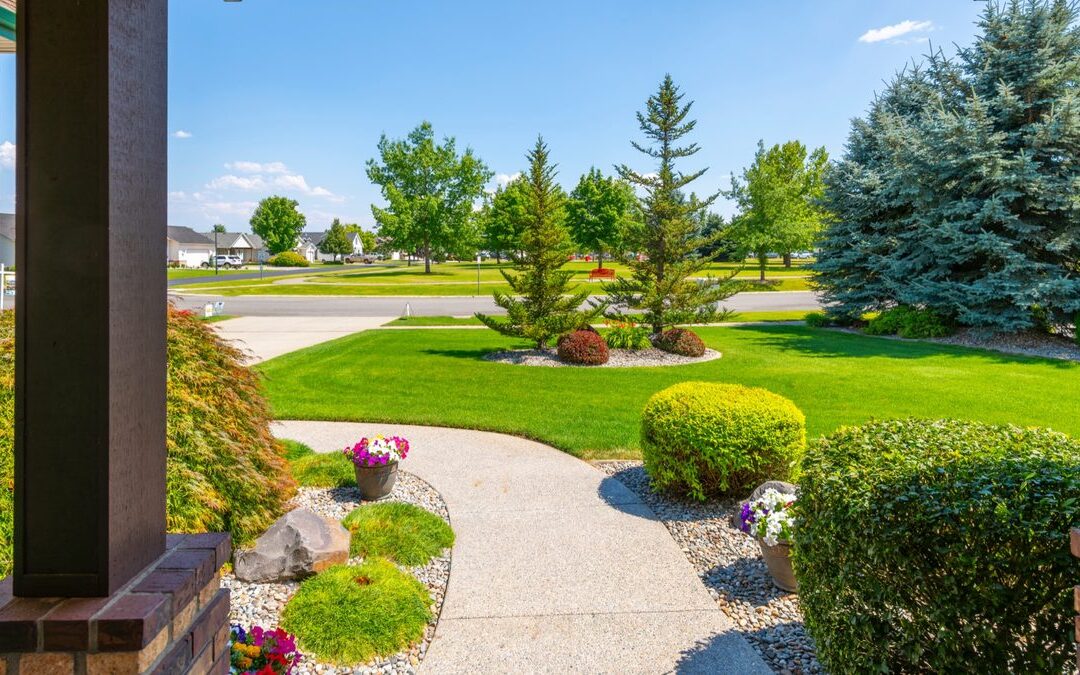
The yard that works is the one shaped around real daily routines. Here is how to map play, seating, paths and quiet corners before choosing a single plant or paver.
A narrow strip of soil between a patio and a fence rarely stays tidy. Here is how to plan beds beside pavers with enough room for roots, water and mature plant size.
A street tree hanging over a sign or lifting the sidewalk raises a fair question about who handles it. Here is how the City of Sacramento splits the duties.
A paver walk can look tight on the day the last stone goes down and still sprout green threads in every gap by spring. Weeds between pavers rarely come up from deep below the base. Most start right at the surface, in the thin strip of sand and grit that fills each...
Mushrooms popping up beside a trunk after the first fall rain tend to cause alarm. Some are harmless. Others are the visible tip of tree root fungi that have been working inside the roots or lower trunk for years. A mushroom alone cannot tell you which case you have,...
The driveway is usually the only firm path into a yard project. Soil, rock, pavers, plants and machines all roll across it, often in the same week. Driveway protection construction planning starts before the first truck shows up, because most choices depend on where...
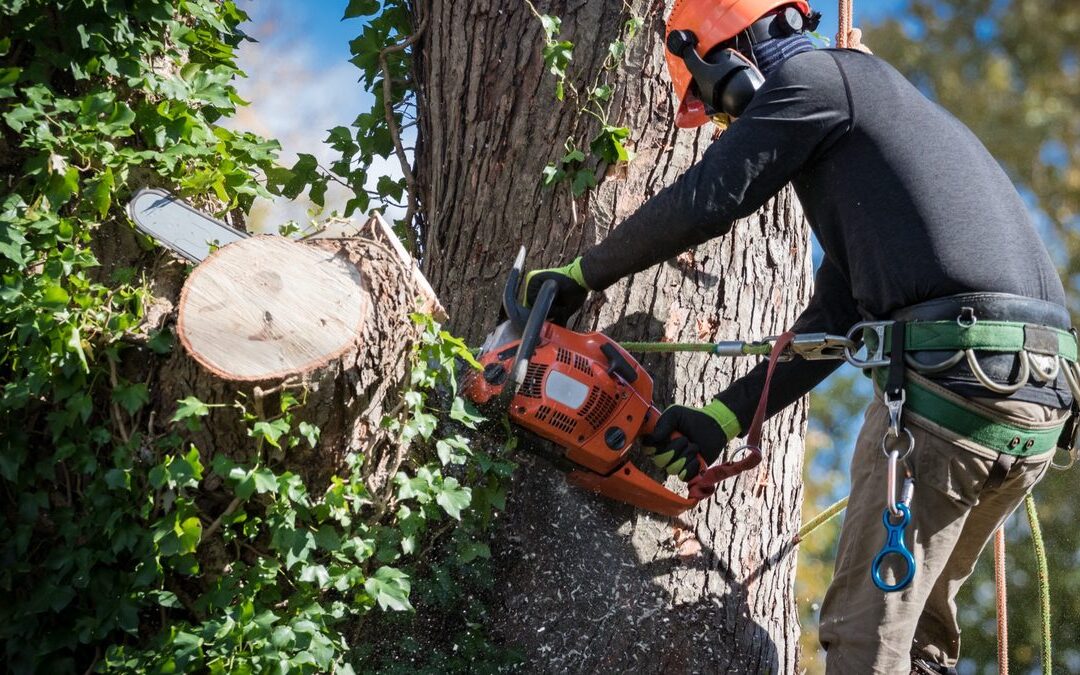
Two estimates for the same tree can use different words for one job. One says trim and another says prune. In everyday speech, trimming versus pruning is mostly a difference in tone, not a difference in technique. The words that count on a quote are the goal of the...
A cracked paver, a dead shrub in the middle of a row or a drip line that stops working all lead to the same question. What exactly was installed here? Good landscape material records answer that in a few minutes. Without them, repairs start with guesswork. Matching a...
Once a tree is gone, only the paperwork can show that someone approved the work. Tree work permit records protect you when a buyer's inspector asks about a missing oak or when a neighbor questions a removal. They also help the next person who works on the yard...
Rain that lands on a patio has to go somewhere. If the surface is dead level, water sits in shallow puddles. Tilt it the wrong way and water runs toward the house. Patio slope drainage is the planned fall that moves water off the surface and toward a place that can...
A mature shade tree rarely dies the week a project ends. It thins out a year or two later, drops limbs or leans after a winter storm. By then the crew has filled the trench and finished the patio, so the cause is easy to miss. Construction root damage often sits...
New grass hides the ground under it. A dip that held water before the lawn went in will hold water after, and now it sits under a carpet of roots. Lawn grading low spots get far easier to fix while the soil is bare. A few hours of checking before sod arrives can save...
Most yards need both kinds of watering. A lawn wants even coverage across its whole surface. Shrub rows want water at each root zone and nowhere else. The drip versus sprinklers question usually has a split answer. Drip serves beds, shrubs and trees while spray or...
Plain sand in paver joints can wash out and collect grit. Polymeric sand joints aim to fix that by binding the sand grains together once water activates the binder. The result is a firmer joint that resists washout. Whether it suits your patio depends on joint width,...
The strip of grass between an office parking lot and the street may soon need a new water source or a new purpose. California nonfunctional turf rules, set by Assembly Bill 1572, phase out the use of drinking water on decorative grass at many commercial,...
Ask three companies to look at the same tree and you may get three very different numbers. That spread does not always mean someone is overcharging. More often, each bid describes a slightly different job. Knowing the main tree work estimate factors helps you see...
A shrub fresh from a nursery pot has all its roots packed into a small ball of soil. Until those roots grow out into the bed, the plant depends on water landing right on that root ball. New landscape watering is about bridging that gap, then stepping back as the plant...
Pavers that sat flat for years can start to dip, rock or tilt after a wet winter. A trip edge appears where two stones meet, and puddles form where water used to drain away. The surface tells you something moved, but it does not tell you why. Sorting through the usual...
Some yards need a lawn. Kids play tag on it, dogs run laps and the family spreads a blanket on it in spring. Other yards keep a lawn out of habit, mowing a patch that nobody walks on. The grass versus groundcover decision comes down to what the area does for you and...
A patio that looks inviting in April can be too hot to cross barefoot by July. Long, sunny Sacramento summers push surface choice up the list when planning outdoor space. Cooler patio materials help, but shade usually does more than any single product, and the two...
Few yard projects finish exactly as first drawn. A homeowner picks a different paver, a planting bed grows or a material costs more than planned. Landscaping change orders are the written records that handle those shifts, and California sets clear rules for them on...
A new patio or path often runs right past an established tree. Pouring concrete near tree roots involves digging, compacting and grade changes. Each step can harm a tree that took decades to grow. The damage may not show until long after the forms come off. UC...
Grinding a stump leaves a mound of shredded wood mixed with soil where the trunk once stood. Many homeowners are surprised by the size of that pile. Stump grinding wood chips can be put to use, hauled away or set out for collection, and the right choice depends on the...
Planting a tree, setting fence posts or trenching for irrigation all put a shovel into ground that may hold gas, electric, water or communication lines. In California, the rule is simple. Call 811 before digging so utility operators can mark their lines first. The...
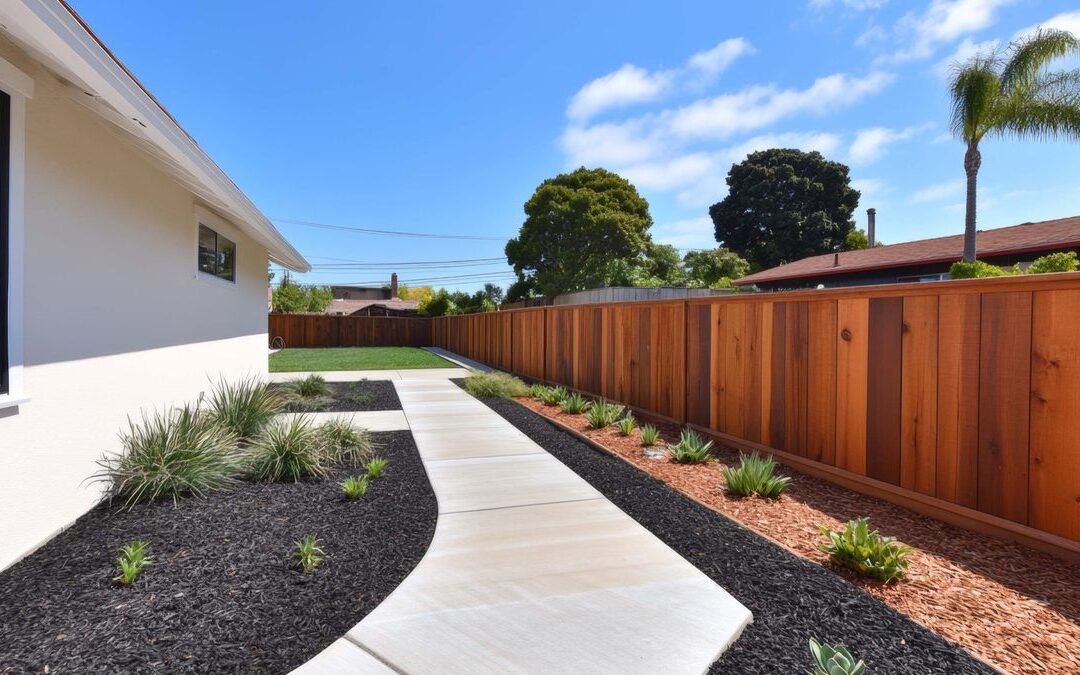
A new yard plan often focuses on plants, patios and lawn. The narrow side yard where trash carts roll and the corner where the electric meter sits get less attention. Outdoor utility access deserves a place on the plan from the start, since fixing a blocked route...
Sacramento summers are long, hot and dry. Plants that thrive in a mild coastal garden may struggle here by August. Choosing Sacramento summer plants that already handle local heat makes a yard easier to keep healthy, and siting and watering do the rest. Local...
Look closely at many synthetic lawns and you will see small granules settled between the blades. That layer is the infill. Artificial turf infill comes in many materials, and the choice affects what is in the lawn, how it handles heat and what questions to ask a...
Groundcovers are often chosen from a photo or a nursery tag. The plant then goes into a spot with different sun, soil or water than it needs. Checking groundcover site conditions first gives each plant a better chance and makes the whole bed easier to care for. A...
Synthetic grass that ripples, holds puddles or sinks in spots usually has a problem below the surface. Artificial turf base layers carry the load, move water away and keep the top looking flat. The blades and infill get the attention in a showroom. What lies under...
Fresh sod tempts people to treat it like an established lawn right away. It is green, even and already the right height. The first sod mowing should wait, though, because the grass on top is only as secure as the roots underneath. A mower that rolls over loose sod can...
A cleared yard leaves a heap that looks like one thing and is really several. Yard debris sorting starts with seeing those categories before they mix. Prunings, dirt, rock, old lumber and broken concrete each have a different destination, and a hauler or the curbside...
The short answer for City of Sacramento water customers is no. Its grass conversion program does not count synthetic grass, so people searching for artificial turf rebates often find the door closed. The longer answer depends on which water provider serves your...

Plenty of yards carry grass from fence to fence even though the family uses one corner of it. Functional lawn size starts from a different question. Instead of asking how much lawn fits, ask how much lawn gets used and where. That shift matters for anyone converting...
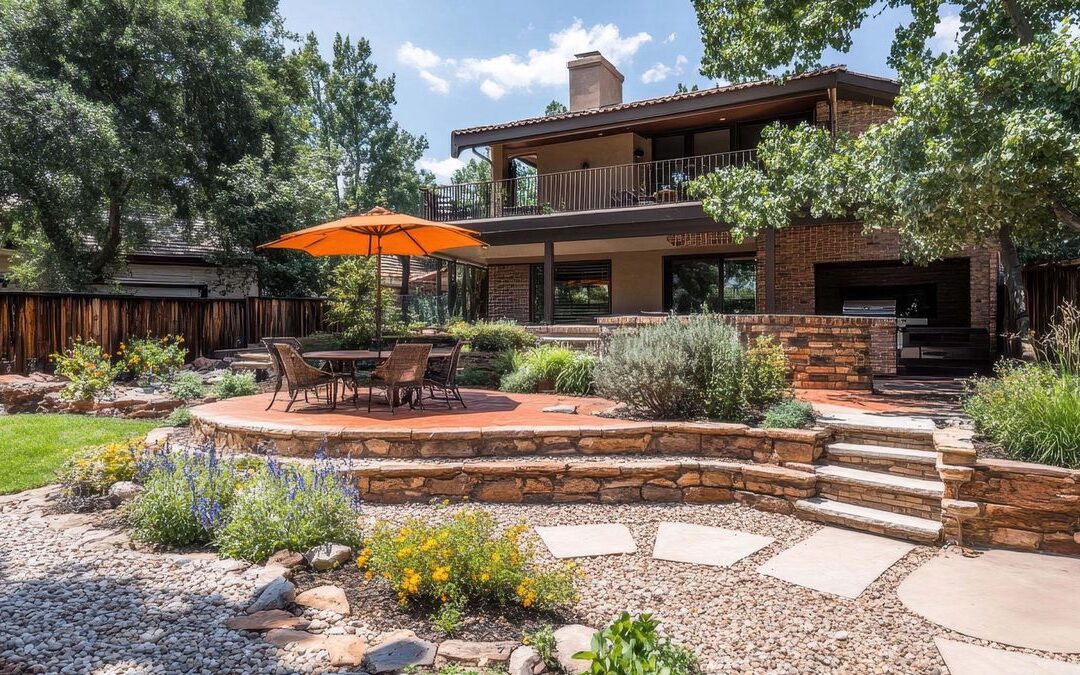
Rock is easy to buy and hard to live with. A yard of bare gravel heats up in July, reflects glare into windows and does little for birds or bees. Low water landscape plants offer another path to a smaller water bill, one that still looks alive in August. The goal is a...

Most owners notice a problem with a big tree only after something changes, and a tree arborist inspection is the usual next step. A limb drops onto the driveway, the canopy looks thin in June or a trench goes in beside the trunk. An inspection by a qualified arborist...
Once a crew starts pulling up an old yard, decisions happen in minutes. A stack of pavers gets broken up because nobody said to save it. Somebody tosses a healthy shrub onto the debris pile. A yard salvage checklist written before demolition prevents both outcomes....
A crack in the bark is easy to spot and hard to explain. Many owners call it tree bark sunscald, and sometimes the guess is close. Several other problems leave similar marks. The right response depends on which one is at work. UC guidance draws a line between sunscald...
Ground that looks flat often is not. A patio can end up tilting toward the house, or a walkway can collect a puddle at its low end. Yard slope measurements taken before any design work show those problems while they are still easy to fix on paper. None of this...
Grass under a mature tree often looks tired, and replacing it with mulch or low plants is a common goal. The catch is what lies a few inches down. During lawn removal tree roots can suffer real injury, and the tree that made the lawn struggle may decline unless the...
Plenty of patios sit empty in late summer, and the furniture is rarely to blame. Patio sun exposure decides whether a seating area works at the times people want to use it. A spot with afternoon sun in a Sacramento August can feel like the inside of an oven. Mapping...
Standard concrete sheds every drop that lands on it. Permeable concrete surfaces take a different approach, letting water pass through open pores into a stone layer below. For a homeowner worried about runoff, that sounds like an easy win. The real answer depends on...
A neighbor removes a row of tall shrubs, and suddenly the back corner of the yard feels different. Leaves on young plants look ragged and the soil dries out faster. Sacramento yard wind does not need a storm to cause trouble, especially in a spot that just lost its...
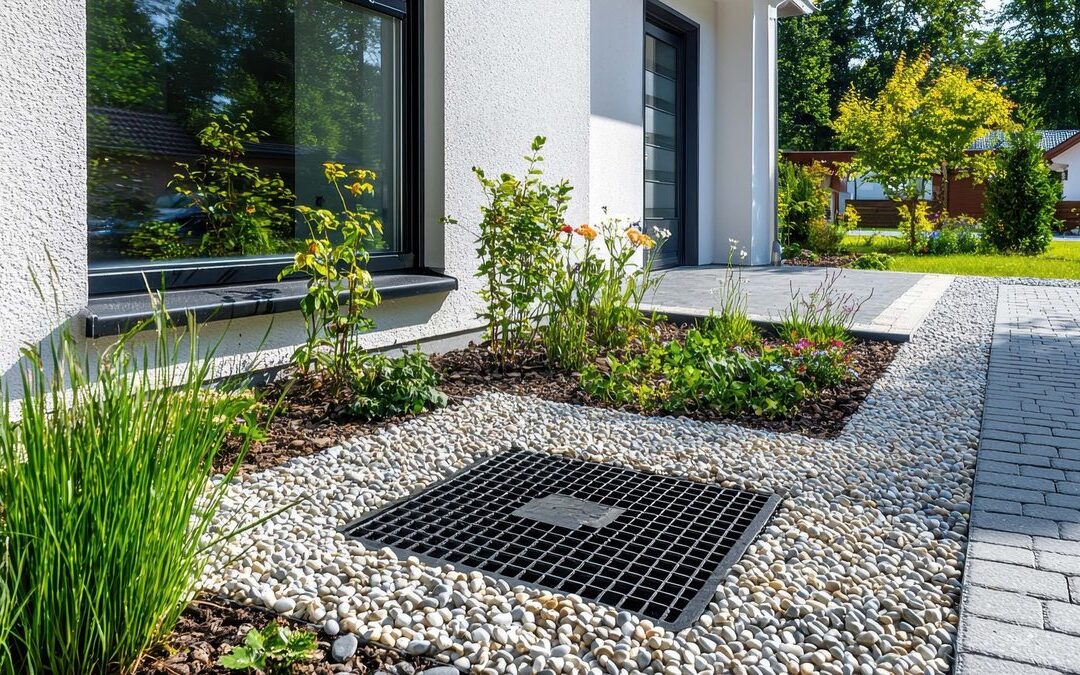
Many yards have a grate in the lawn or a pipe attached to a downspout that seems to lead nowhere. The inlet gets attention because people can see it. Yard drain outlets, the places where that water finally leaves the pipe, often get forgotten until a heavy rain backs...
A paver patio can look perfect on the day it is finished and loose a few years later. Borders drift outward, joints widen and the pieces near the edge rock underfoot. In many cases the problem starts with missing or failing paver edge restraints. Edging is easy to...
New plants often look fine through June and then collapse in the first long hot spell. Leaves droop by midafternoon, edges turn brown and flowers drop. Sacramento plant heat stress tends to hit young plantings hardest, since their roots have not yet spread into...

Few households have time to mow every week, fix sprinklers and patch worn spots. That leads many families to compare synthetic versus natural grass for the back yard. Each option saves work in some places and adds it in others. A fair comparison looks at summer heat,...
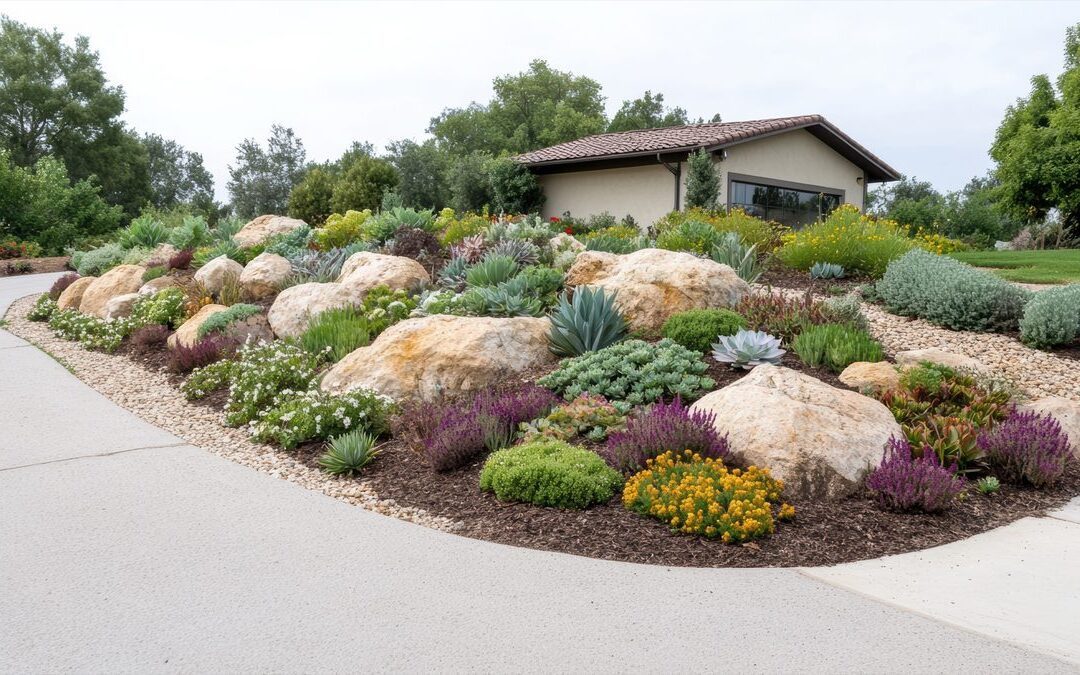
A single yard can hold several different climates. The strip along a south wall bakes, the area under a big tree stays cool and the low corner by the downspout holds water after rain. Landscape planting zones capture those differences on a sketch before anyone buys a...

Many people hear about a Sacramento lawn rebate from a neighbor and assume it applies to them. The first question is not how much it pays. What matters first is which water provider serves the house, because each provider runs its own program or none at all. This...
Anyone can print a number on a business card. Checking a California landscape contractor license takes a few minutes on the Contractors State License Board website, and it tells you far more than the number itself. The record shows current status, what work it covers...
A bare yard in July makes waiting feel impossible, and sod offers a green lawn in a single day. Sod summer heat creates real risks. Most of them show up in the first two weeks. Knowing those risks helps decide whether to proceed now or wait for cooler weather. UC...
Memory fades fast once a yard project starts. Was that crack in the driveway there before the delivery truck? Did the fence lean before the crew set posts nearby? Landscape before photos answer those questions with dates and details instead of guesses. Taking good...
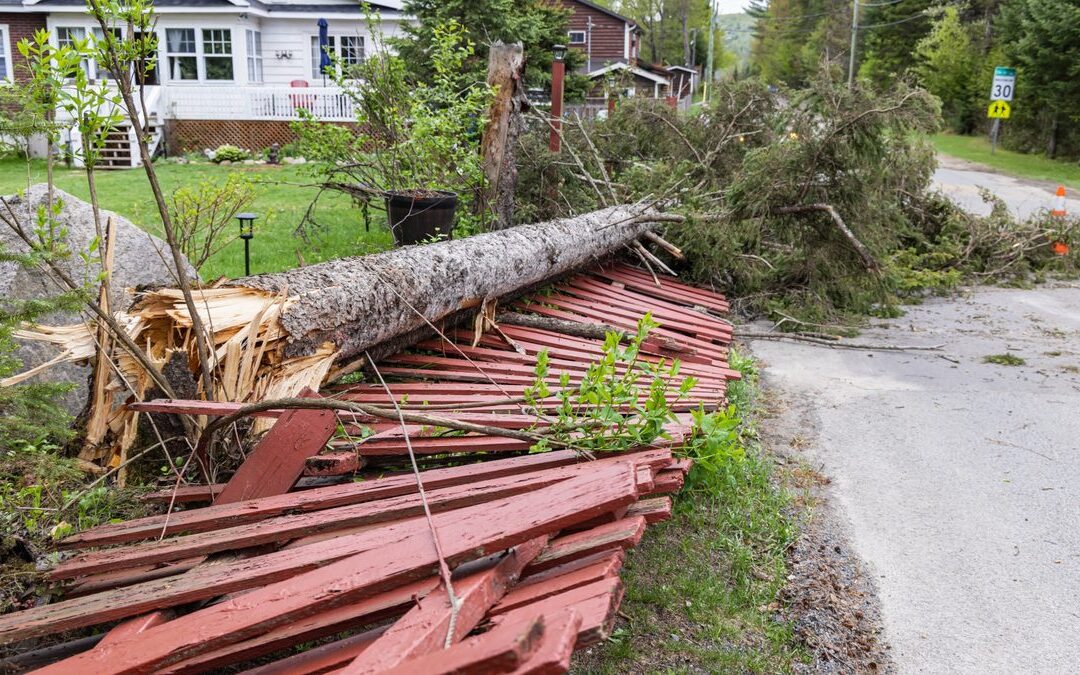
Tree work leaves a lot behind. Brush piles, rounds of trunk wood and heaps of chips can fill a driveway by the end of the day. Tree branch disposal gets easier when you know which pieces can stay, which belong in the cart and which need special handling. The answer...
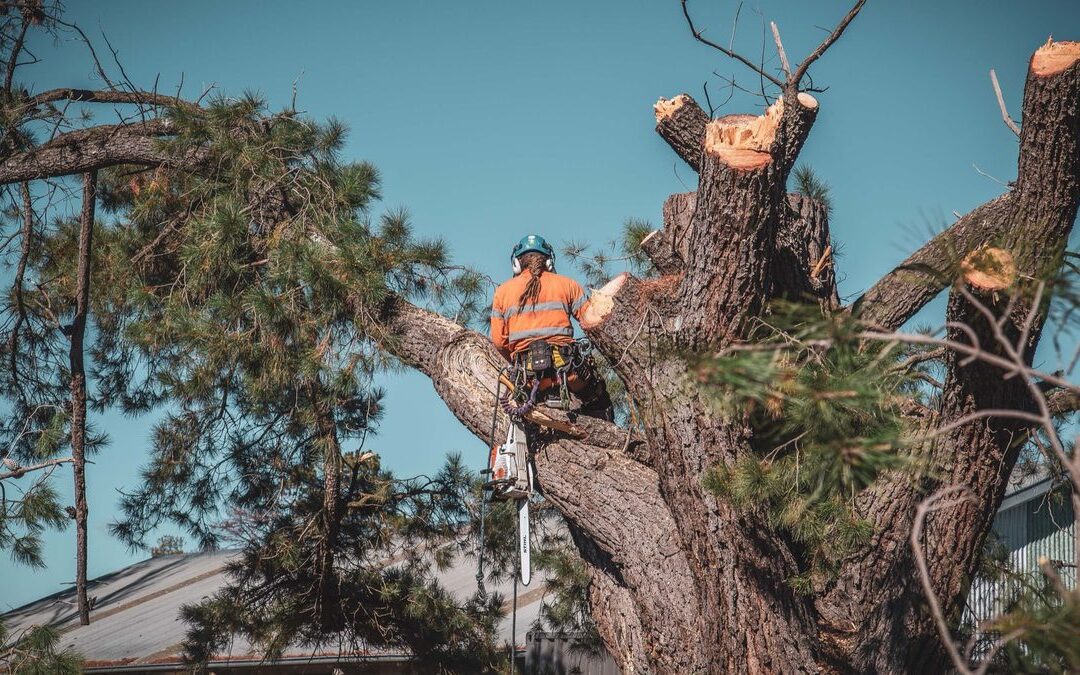
Many homeowners expect a clean patch of soil once a tree comes down. What they get is a stump, a web of roots and ground that keeps changing for years. Tree removal roots stay in place unless someone digs them out, and their slow decay affects whatever goes on that...
A lot that nobody has tended for years can look like a blank slate under all that growth. It rarely is. Overgrown yard preparation means uncovering what the weeds have hidden, from broken glass and old irrigation to young trees that sprouted on their own. Skipping...

Many households can afford one paved project this year, not two. The patio versus walkway question comes down to which problem bothers people more, having nowhere comfortable to sit or having no good way to get from one place to another. Watching how the yard gets...
Owners thinking about removing a large tree often ask the same thing first. Do I need permission? Inside City of Sacramento limits, a Sacramento tree removal permit applies to some trees and not others, and the difference turns on where the tree stands, what kind it...
Every winter, deciduous trees drop their leaves and look lifeless for months. Some of those bare branches will leaf out again in spring and some never will. Sorting dead branches versus dormancy is worth the effort, since dead wood can fall, while dormant wood just...
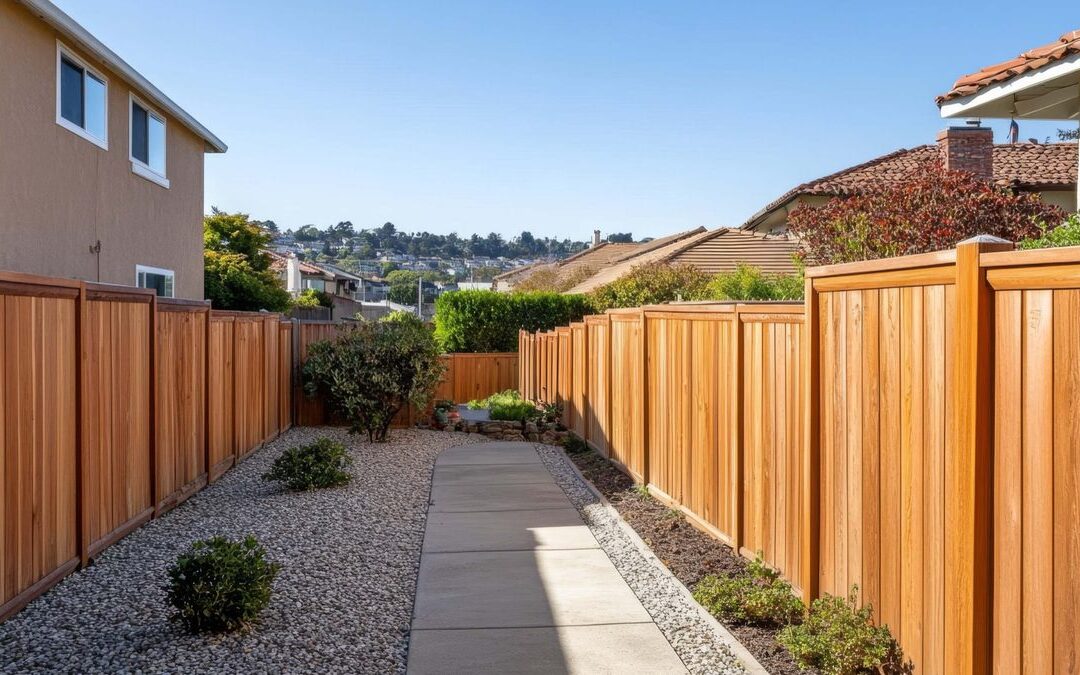
Small lots make every delivery a puzzle. A pallet of pavers, a mound of soil and a trailer full of plants all need somewhere to sit, and the only flat space may be the driveway the family needs each morning. Landscape material staging decides whether a project flows...
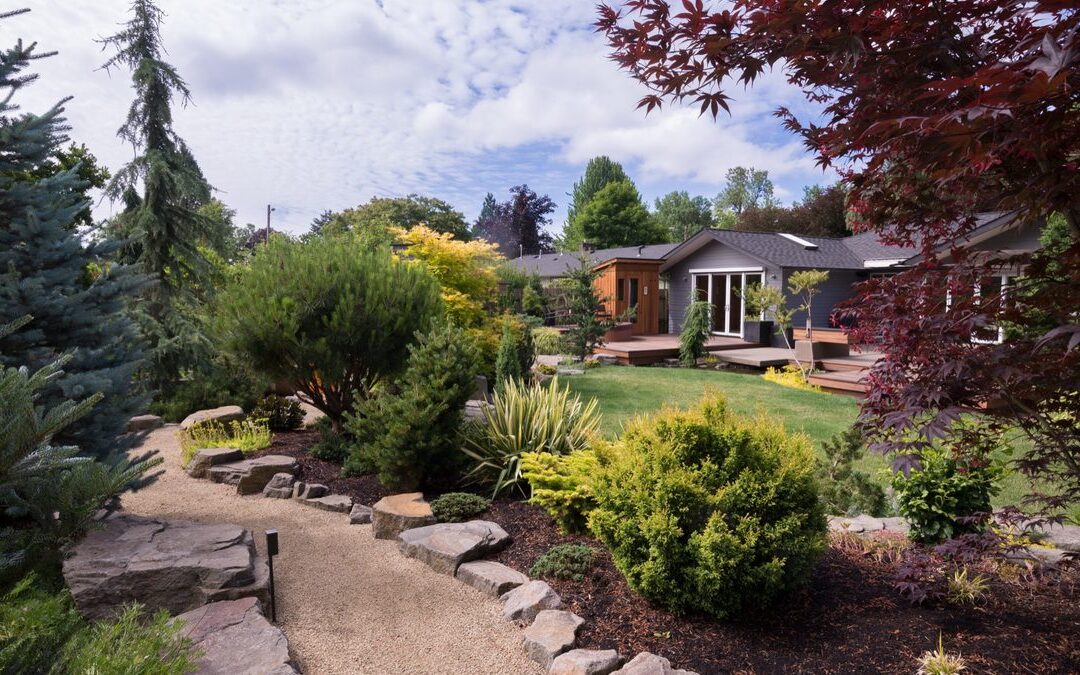
Trees grow slowly enough that people forget they are growing at all. A young tree planted beside a front walk can, years later, crowd the path, shade out the lawn and push against the house. Planning front yard tree space from the start avoids those collisions. The...
Parents and pet owners often discover the problem the hard way. A child runs barefoot onto synthetic grass on a July afternoon and runs right back off. Artificial turf surface heat builds quickly in direct sun, and on a Sacramento summer day it can make the surface...
An old patio, a tired path or a crumbling border can hold more value than it looks. Pavers, clean stone and metal edging often survive removal in good shape. Landscape material reuse keeps those pieces out of the landfill and can trim the cost of the next project. Not...
Many homeowners treat the fence as the edge of their land. Fences get built where it is convenient, though, not always on the legal line. Tree property boundaries matter most when someone plans to grind a stump, cut roots or remove a tree that sits near that fence....
Most landscape proposals mention a warranty somewhere, often in a single line near the price. That line can hide very different promises. A landscape workmanship warranty usually addresses the quality of the installation. That differs from covering every material or...
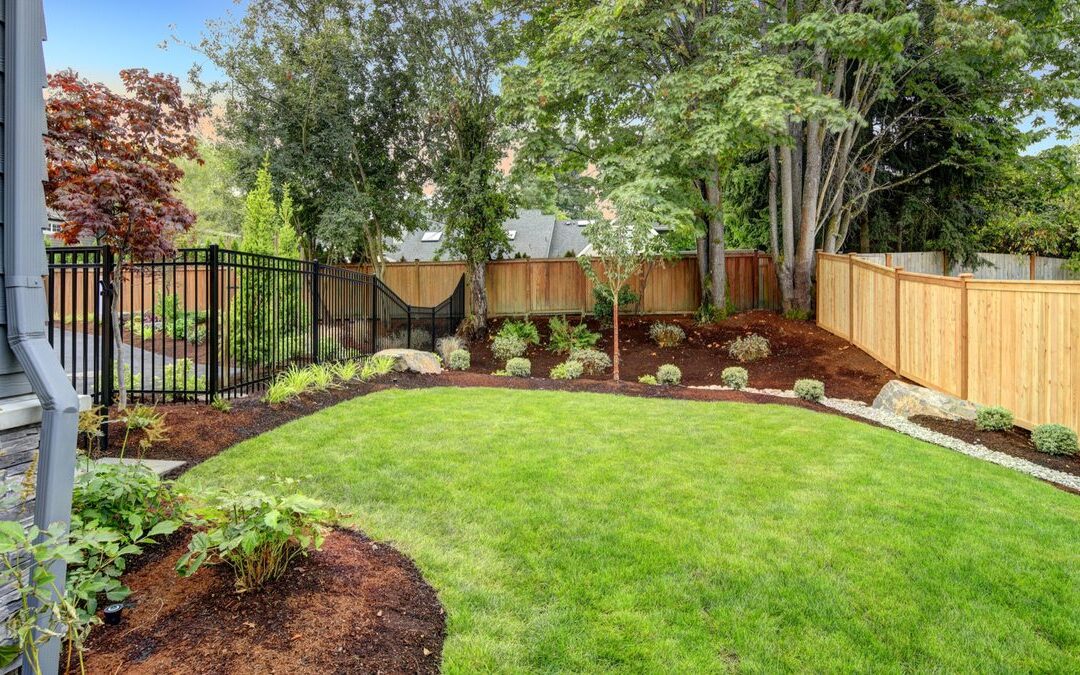
A new sod lawn looks complete the moment the crew presses the last roll into place. Under the surface, the job has only started. New sod rooting is the process of short cut roots growing down into the prepared soil, and until that happens the grass is living on...
A tree that turns pale or yellow in the middle of the growing season gets noticed fast. The common reaction is to buy fertilizer. Tree leaf chlorosis, the loss of normal green color in foliage, often has causes in the soil and roots that fertilizer will not fix. UC...
Two proposals for the same yard can differ by thousands of dollars. Sometimes the gap reflects real differences in price. More often the bids describe different jobs. To compare landscaping bids fairly, the first task is making sure both proposals cover the same work....
Cutting down a tree leaves a stump and a network of roots in the ground. Owners then face a choice. The question of stump grinding versus removal by digging affects how the spot looks, what can go there next and how much of the yard gets torn up. Neither method clears...
A lawn full of thin and bare spots looks like it needs to be replaced. Sometimes it does. Patchy lawn replacement only holds up, though, when the reason the grass failed has been found and fixed. The UC guide to healthy lawns puts it plainly in its renovation section....
The first month after sod goes down decides much of how the lawn will do. Grass that looked perfect on delivery can show brown edges, gaps or soft spots within days. Most new sod problems in that first month trace back to water, heat and how well the pad touches the...
A lawn changes color long before it thins or dies. Bluish casts, yellow washes or brown rings can appear within days of a problem starting. Grass stress signs like these are useful early warnings, though they work as clues rather than answers. Several causes produce...

A garden path that feels easy for one person can be a hazard for another. Loose gravel, a lifted paver edge or a dark step can stop a walker or catch a cane tip. Accessible garden paths reduce those risks for older adults, people using mobility devices and anyone...
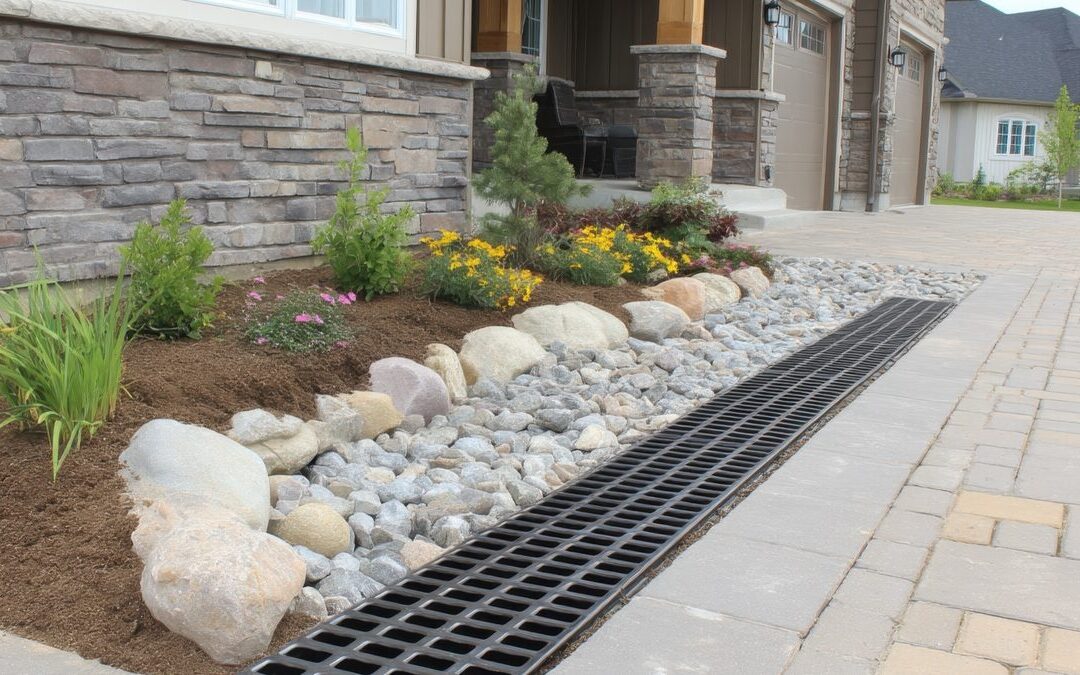
A puddle at the edge of a patio after a storm seems harmless at first. Over time, standing water stains surfaces, washes out joint sand, feeds moss and can soak soil near the house. Understanding patio puddles causes is the first step toward a lasting fix. Most...
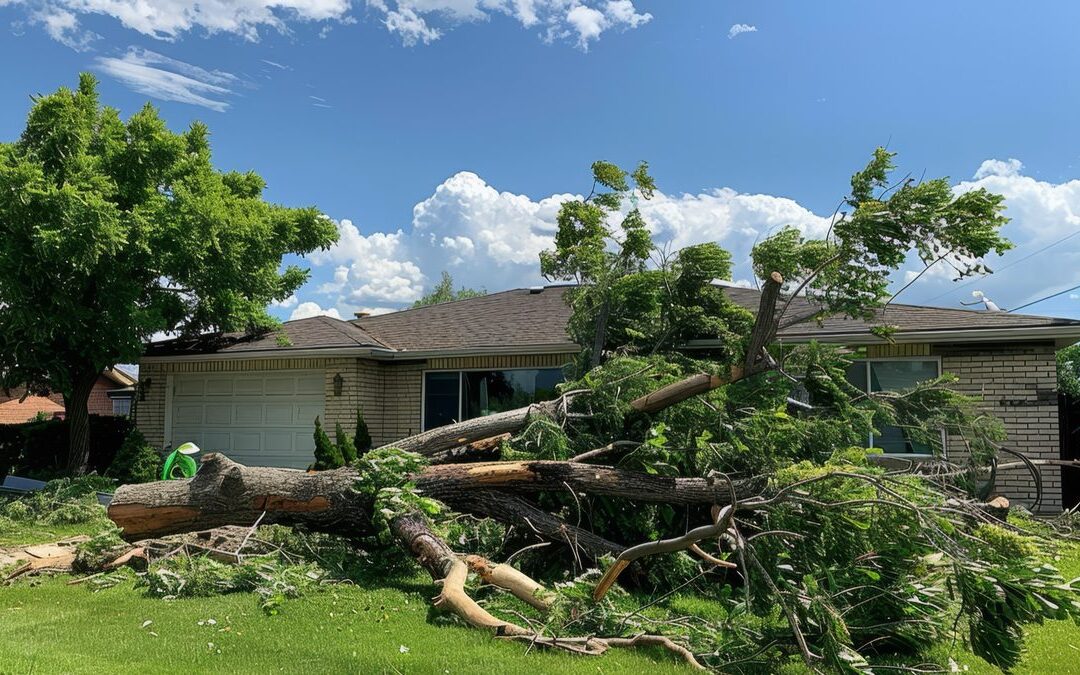
Winter storms in Sacramento bring wind and soaked soil, and sometimes a tree ends up across a street. The first minutes matter most for safety. Fallen tree reporting gets the right crews moving, while staying back keeps people out of harm's way. This topic covers who...