Old weed cloth rarely lifts out in one clean sheet. Mulch, gravel and roots tie it down. These are the ways to pull it up while protecting the plants you plan to keep.
Ways to Remove Old Landscape Fabric
read more

Old weed cloth rarely lifts out in one clean sheet. Mulch, gravel and roots tie it down. These are the ways to pull it up while protecting the plants you plan to keep.

An allowance is a placeholder for a material or fixture you have not picked yet. It can make a bid look tidy and still move the final bill. Here is how to read one.

A landscaping contract decides what happens when plans change, weather stalls work or a payment comes due. These are the questions to settle on paper before the first shovel goes in.

Tear out looks like the easy part of a yard project. Done in the wrong order, it can cut irrigation lines, crush roots and leave mud in the street. Here is a sensible sequence.
A landscape job can send mud, mulch and concrete wash water down the gutter in one afternoon. Here is how to keep that material on the property while the work is underway.
A yard tear out produces two very different piles. Here is how to keep plant material separate from concrete, brick, metal and plastic, and why mixing them causes trouble.
The driveway is usually the only firm path into a yard project. Soil, rock, pavers, plants and machines all roll across it, often in the same week. Driveway protection construction planning starts before the first truck shows up, because most choices depend on where...
A cracked paver, a dead shrub in the middle of a row or a drip line that stops working all lead to the same question. What exactly was installed here? Good landscape material records answer that in a few minutes. Without them, repairs start with guesswork. Matching a...
Few yard projects finish exactly as first drawn. A homeowner picks a different paver, a planting bed grows or a material costs more than planned. Landscaping change orders are the written records that handle those shifts, and California sets clear rules for them on...
Planting a tree, setting fence posts or trenching for irrigation all put a shovel into ground that may hold gas, electric, water or communication lines. In California, the rule is simple. Call 811 before digging so utility operators can mark their lines first. The...
A cleared yard leaves a heap that looks like one thing and is really several. Yard debris sorting starts with seeing those categories before they mix. Prunings, dirt, rock, old lumber and broken concrete each have a different destination, and a hauler or the curbside...
Once a crew starts pulling up an old yard, decisions happen in minutes. A stack of pavers gets broken up because nobody said to save it. Somebody tosses a healthy shrub onto the debris pile. A yard salvage checklist written before demolition prevents both outcomes....
Grass under a mature tree often looks tired, and replacing it with mulch or low plants is a common goal. The catch is what lies a few inches down. During lawn removal tree roots can suffer real injury, and the tree that made the lawn struggle may decline unless the...
Anyone can print a number on a business card. Checking a California landscape contractor license takes a few minutes on the Contractors State License Board website, and it tells you far more than the number itself. The record shows current status, what work it covers...
Memory fades fast once a yard project starts. Was that crack in the driveway there before the delivery truck? Did the fence lean before the crew set posts nearby? Landscape before photos answer those questions with dates and details instead of guesses. Taking good...
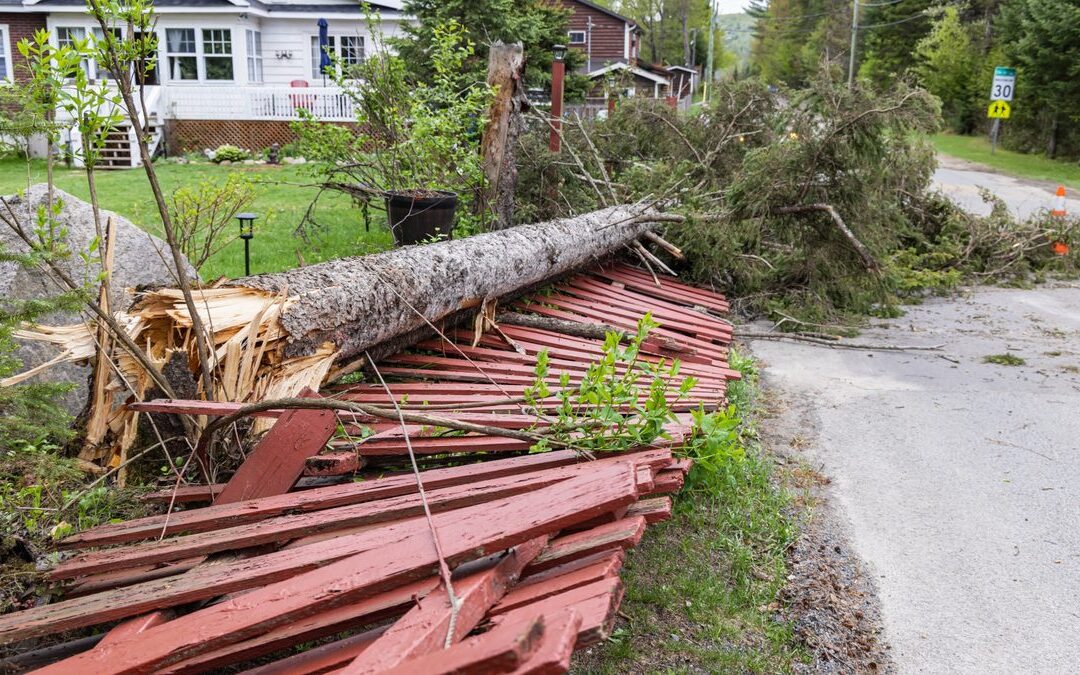
Tree work leaves a lot behind. Brush piles, rounds of trunk wood and heaps of chips can fill a driveway by the end of the day. Tree branch disposal gets easier when you know which pieces can stay, which belong in the cart and which need special handling. The answer...
A lot that nobody has tended for years can look like a blank slate under all that growth. It rarely is. Overgrown yard preparation means uncovering what the weeds have hidden, from broken glass and old irrigation to young trees that sprouted on their own. Skipping...
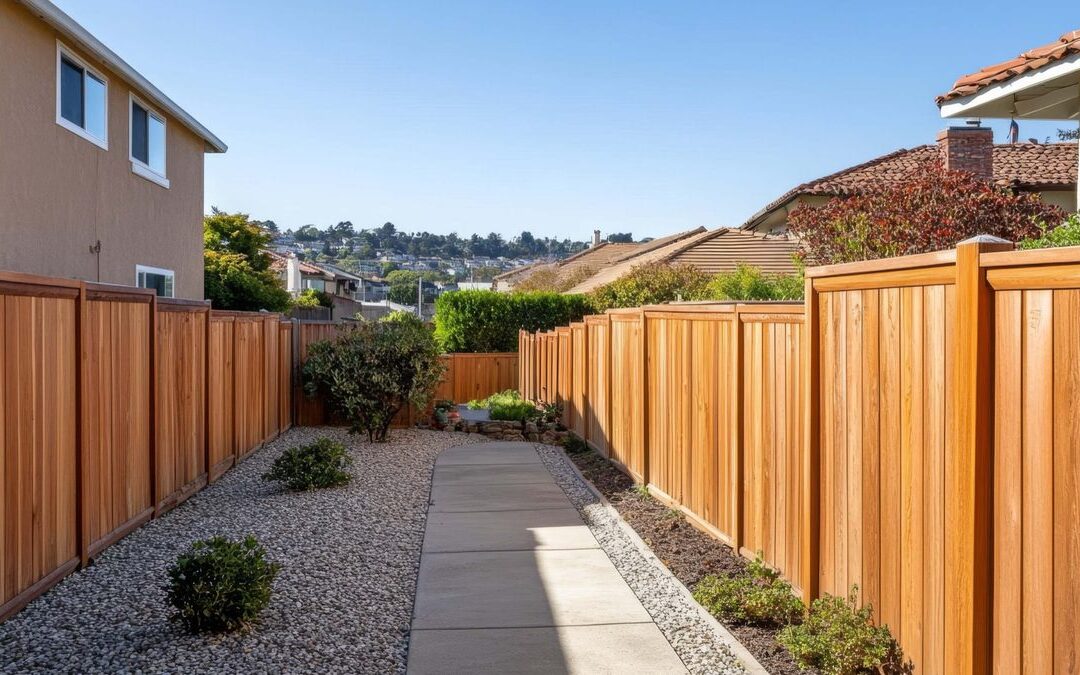
Small lots make every delivery a puzzle. A pallet of pavers, a mound of soil and a trailer full of plants all need somewhere to sit, and the only flat space may be the driveway the family needs each morning. Landscape material staging decides whether a project flows...
An old patio, a tired path or a crumbling border can hold more value than it looks. Pavers, clean stone and metal edging often survive removal in good shape. Landscape material reuse keeps those pieces out of the landfill and can trim the cost of the next project. Not...
Most landscape proposals mention a warranty somewhere, often in a single line near the price. That line can hide very different promises. A landscape workmanship warranty usually addresses the quality of the installation. That differs from covering every material or...
Two proposals for the same yard can differ by thousands of dollars. Sometimes the gap reflects real differences in price. More often the bids describe different jobs. To compare landscaping bids fairly, the first task is making sure both proposals cover the same work....
An old concrete patio may have cracks, a tilt or simply sit in the way of a new plan. Removing it opens up space for pavers, planting or lawn. The concrete patio removal process follows a fairly standard order, and knowing it helps owners prepare the yard and ask the...
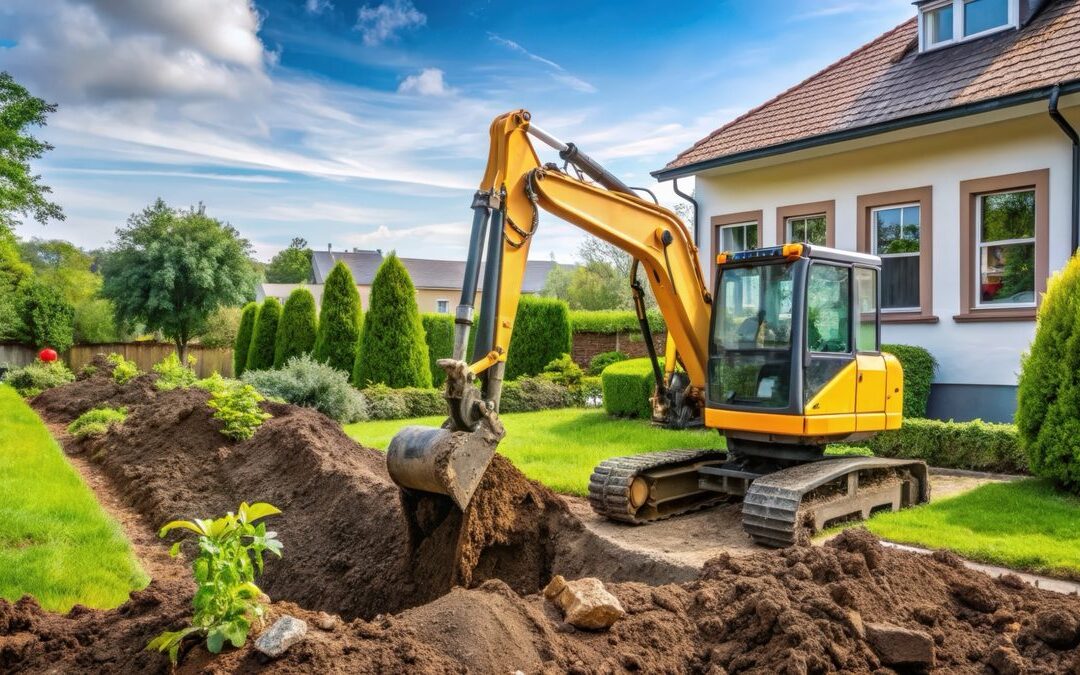
A major landscape project brings machines, materials and crews into a yard that usually holds patio furniture, pets and plants. The work goes smoother when the site is ready. Yard site preparation is the set of decisions and tasks that happen before the first shovel...
Two yards of the same size can receive very different estimates. Square footage tells only part of the story. Landscape cost factors include the site, the materials, the rules and the contract itself. Knowing those factors helps owners read estimates and plan a...
A clear payment schedule protects both the owner and the contractor. California rules limit down payments, tie progress payments to finished work and require written change orders.
Clearing an overgrown yard can reveal soggy spots, ponding and dying roots that the plants once hid. Knowing what those signs mean helps owners decide what to fix before planting again.
Winter storms can strip soil from slopes and bare beds in a single afternoon. Covering soil, slowing water and planting with deep roots keep the ground in place.
The final walkthrough is the last easy chance to catch unfinished items. A written punch list covering plants, irrigation, paving, drainage and cleanup keeps the handover clear for both sides.
Two patio bids can differ by thousands of dollars for good reasons or bad ones. Comparing materials and scope line by line shows which estimate actually covers the job you want.
Concrete chunks, bricks and old wood buried in a yard rarely stay out of sight. Removing rubble during site preparation prevents drainage, root and digging trouble down the road.