
Sacramento Landscaping Services

Why Sod Seams Open Up
Sod seams gaps usually come from drying edges, poor soil contact or pieces laid loose. Learn the UC guidance on watering new sod, reading color, checking moisture with a screwdriver, laying staggered pieces tight, rolling, soil preparation, grading, foot traffic, mowing and how grass type affects whether a narrow seam fills in.
Repairing Overspray Without Rebuilding the Yard
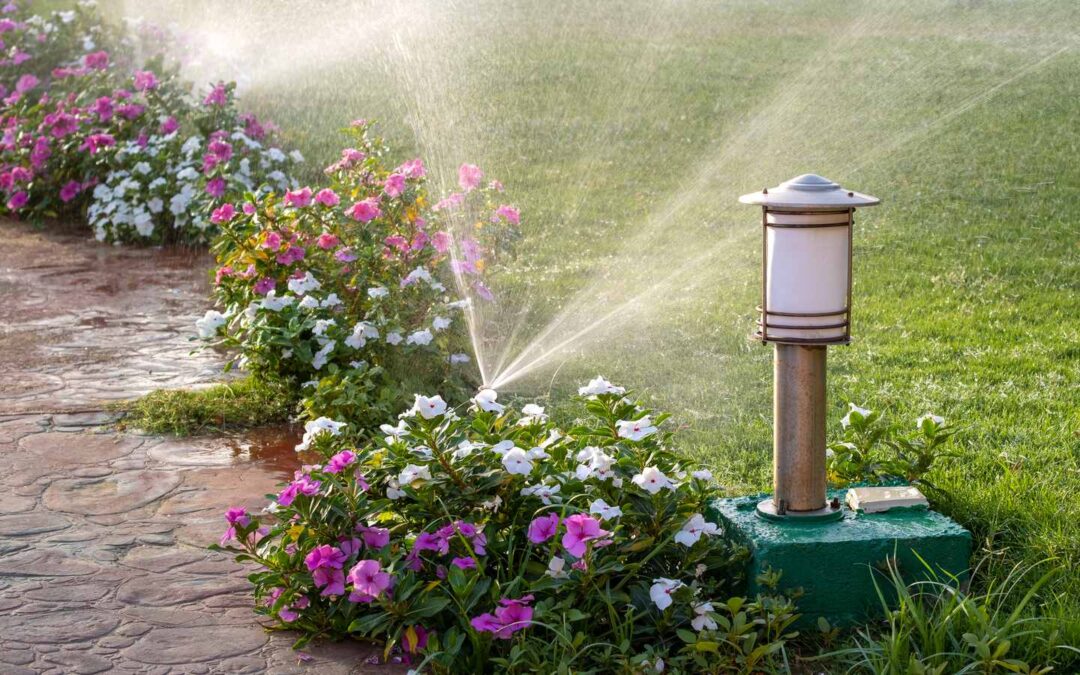
Sprinkler overspray fixes usually start with a zone by zone check, not a new system. See how to turn and trim heads without breaking head to head coverage, cure misting from high pressure, find leaks, use cycle and soak for runoff, keep spray off tree trunks and follow Sacramento watering days and runoff rules.
Why Soil Can Change Across One Sacramento Lot
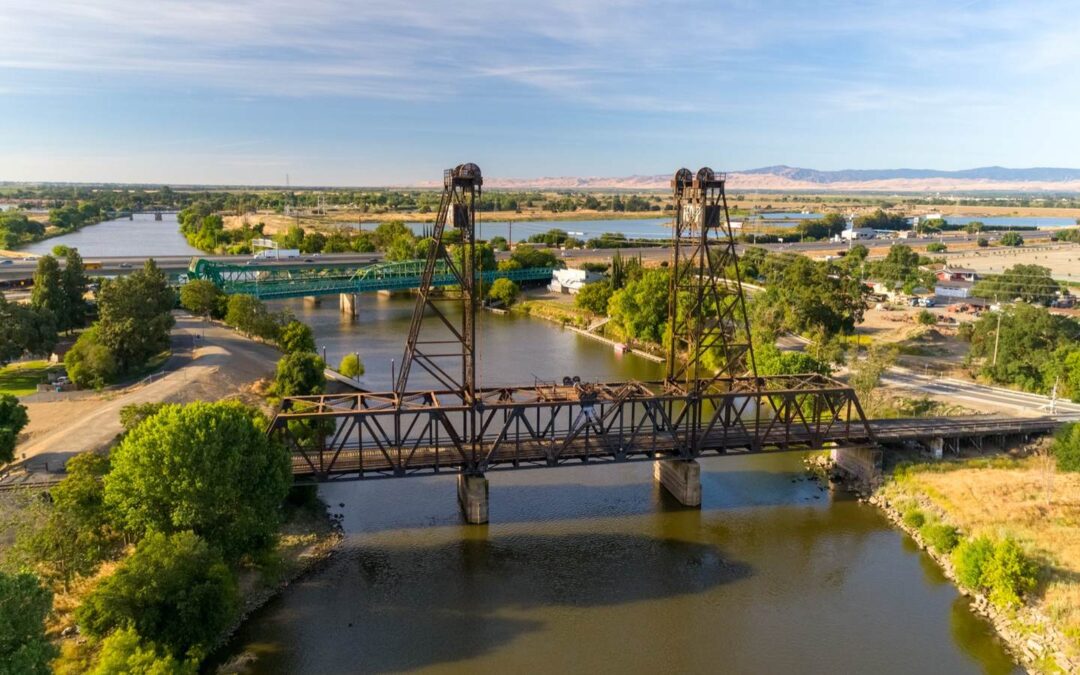
Sacramento yard soil types can change within a few feet because native soil sits beside fill, compacted lanes and scraped topsoil. UC and NRCS soil maps show what was there first, and a few test holes show what is there now. Learn how to read the maps, feel for sand, silt and clay, spot layers and turn the results into planting and watering zones.

How to Check Soil Drainage Before Sod
A soil drainage test shows how fast water leaves a 12 inch hole before new sod goes down. UC IPM says about 1 to 2 inches per hour suits many landscapes and water left after 24 hours means drainage is probably too slow. See how to dig, soak, time and read each hole and what to fix first.
Reading the Final Cleanup List Before Handover
A landscape punch list is the written record of unfinished items before a yard job closes. Walk plants, mulch, irrigation, paving, grades, drainage, cleanup and paperwork with the contractor, protect against liens and hold final payment until listed items are done.
What to Keep When You Redo an Older Yard
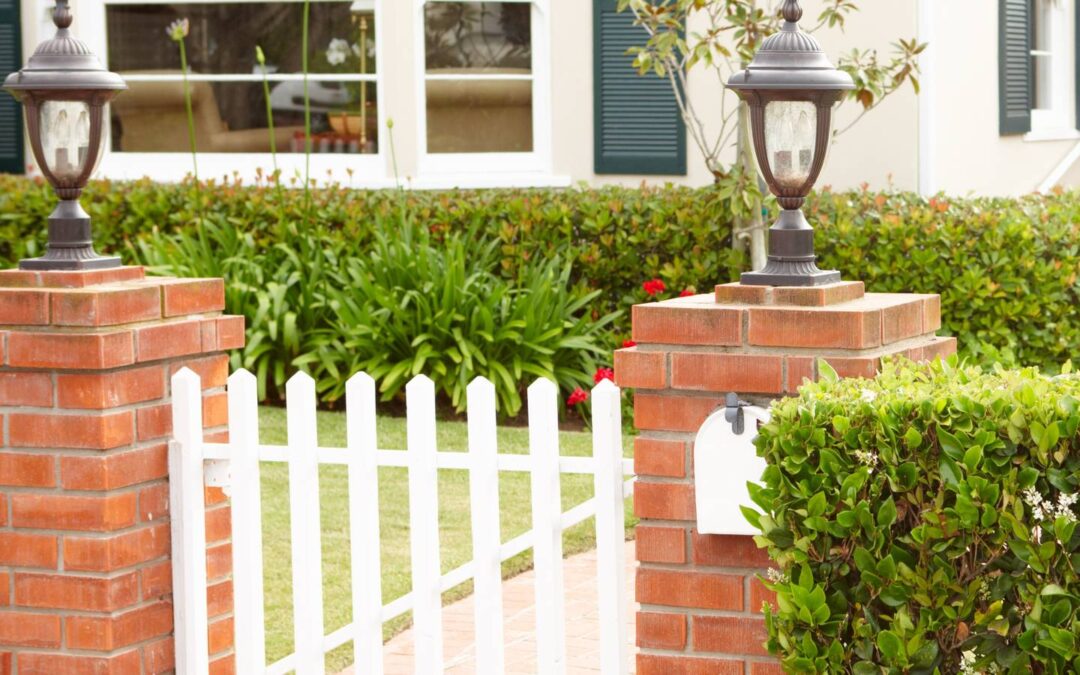
An existing landscape assessment reviews an older yard before demolition and sorts each feature into keep, adjust or replace. See which tree warning signs need an arborist, how Sacramento tree permits apply, why roots and lawn water matter, how to test irrigation and soil and which buried lines 811 will not mark.

What a Smart Irrigation Controller Actually Changes
A smart irrigation controller adjusts sprinkler run times with weather or soil moisture data. See how ET and water budgets work, why soil and zones matter, what a controller cannot fix, how Sacramento watering days and the validated controller exemption work and what the City rebate requires before installation.

Which Sacramento Trees Are Protected by City Rules
Sacramento protected trees include native oaks, sycamores and buckeyes at 12 inches DSH and other large trees on private lots. Learn how City Code Chapter 12.56 defines City trees and private protected trees, what counts as regulated work and routine maintenance, how permits and replacement plans work and what penalties apply.

How People Move Through a Yard Shapes Hardscape Design
Backyard traffic paths work best when they follow the routes people already walk. Learn how to read worn grass, rank primary and secondary routes, size widths, match materials and base to the load, handle drainage, keep meter clearance, call 811 before digging and route paths away from tree roots.
French Drains and Surface Drains Do Different Jobs
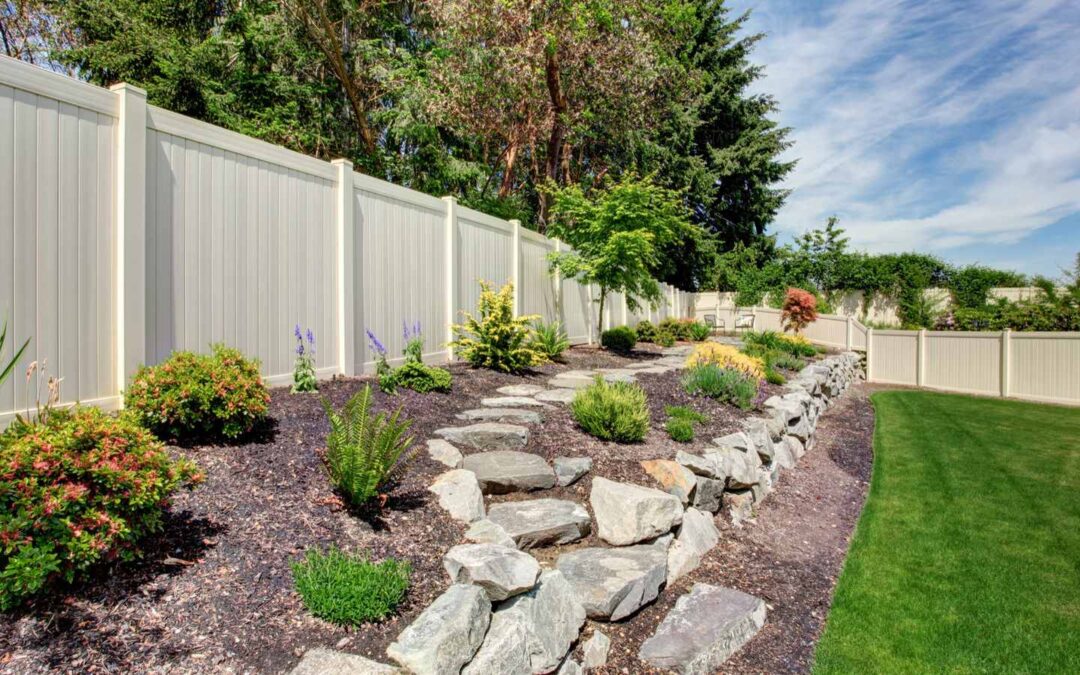
French versus surface drains come down to where the water is. Surface drains catch runoff at grade, while french drains pull water from soil through gravel and perforated pipe. Learn how clay, grade, slope and outlets shape the choice, when downspouts fit and what Sacramento requires at the curb.

Measuring a Tree Trunk for Permit Questions
Tree trunk diameter measurement at 4.5 feet above natural grade decides whether many trees inside Sacramento city limits need a permit. The City string and tape method, circumference to diameter math, threshold circumferences, forked and multi trunk rules from the ordinance, slope and lean cases, the City tree location test and record keeping are explained step by step.
Mulch Volcanoes and Why They Hurt Trees
Mulch piled in a cone against a trunk keeps bark wet, hides the root flare and gives rot organisms and voles an easy path to the tree. UC guidance on crown rot, oxygen, girdling roots, clay soils, irrigation, correct ring spacing and depth, risky materials, safe removal, inspection after cleanup and free Sacramento mulch sources is gathered in one place.

Mapping Afternoon Shade in a West Facing Yard
A west facing yard takes the hottest sun of the day, and its shade pattern changes sharply between June and December. Sacramento sun angles, fence shadow lengths, simple mapping steps, sun hour labels, plant and lawn placement, watering by exposure, shade tree siting, patio cover permits and paving color all come from one shade map.
What Pile Height Means on an Artificial Turf Sample
Turf pile height tells how tall artificial grass fibers stand above the backing, yet it is only one number on a spec sheet. How makers list it, Sacramento’s 1.25 inch front yard minimum, face weight, gauge, infill depth, softness, fiber shape, matting, heat, pets, home sample tests and quote details all shape a fair comparison.

How to Compare Materials Across Contractor Estimates
A hardscape estimate comparison puts patio, walkway and wall bids on one sheet before the totals are weighed. Topics include license classifications, measured area and waste, paver product details, excavation and base depth, bedding and joint sand, edge restraints, sealing, concrete flatwork lines, Sacramento wall and driveway permits, demolition and an invented three-bid example.

Planning Around Trees Before Patio Construction
Patios near tree roots in Sacramento yards need careful planning before any digging starts. Topics include where roots grow, distance from the trunk, base depth, lowering or raising the grade, permeable surfaces, gravel under paving, city tree permits, root inspection with air tools, construction fencing, utility trenches and signs of tree stress after the work.

Why Buried Rubble Causes Problems Later
Broken concrete, brick, asphalt and old wood left under a Sacramento yard can block roots, slow drainage and catch mowers. This covers UC guidance on removing debris, clues and test holes, 811 timing, removal near trees, treated wood rules from DTSC, concrete recycling, backfill, grading and change orders for rubble found mid project.
Choosing Planting Times for Sacramento Weather
Fall is the main planting window in Sacramento, with spring as the second. This covers UC frost dates for Sacramento and nearby towns, counting back from first frost, summer sunburn risk, lawn and sod timing, bare root trees, bulb windows, frost tender plants, City watering exemptions for new plantings and a sample calendar.

When a Lawn Makes Sense in a Hot Climate
A Sacramento lawn needs the most water in June, July and August, so the grass should earn it. This covers UC summer watering numbers, how the City watering schedule fits cool and warm season grass, timing and clay soil, stress signs, mowing and feeding in heat and how grass compares with artificial turf.
Choosing Pavers for Poolside Foot Traffic
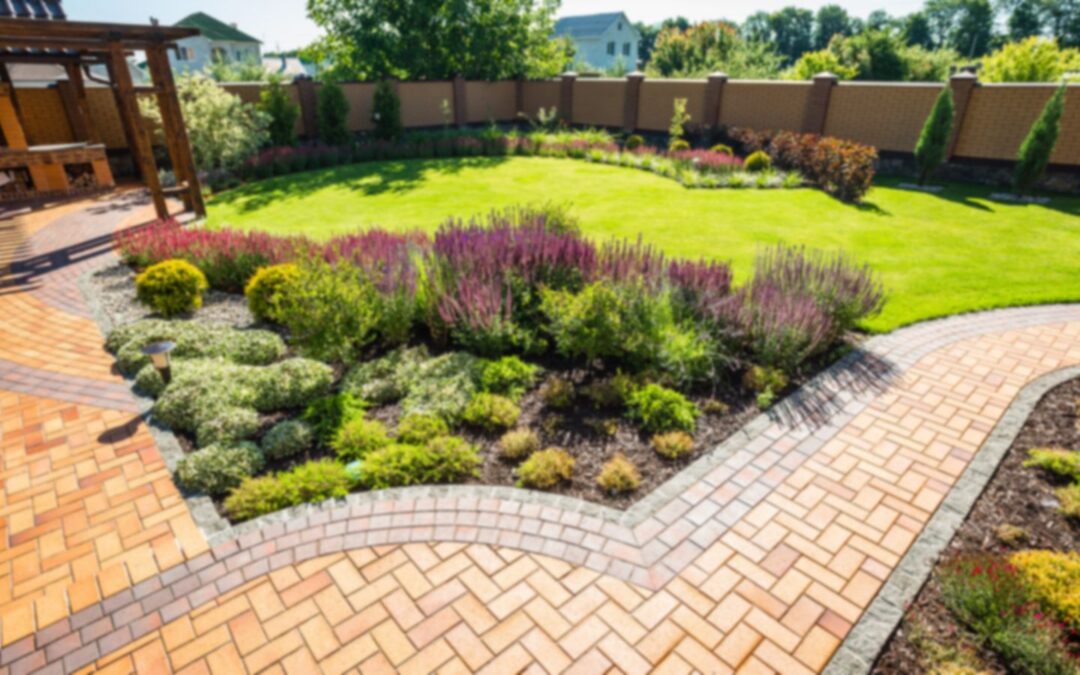
A pool deck takes wet feet, dripping towels and full Sacramento sun. This compares slip resistance, surface heat, base depth on clay, slope, joint sand and sealers, along with the state rule on drowning prevention features that can shape where fences and gates sit on the deck.
Why Sacramento Shade Trees Drop Leaves in Summer
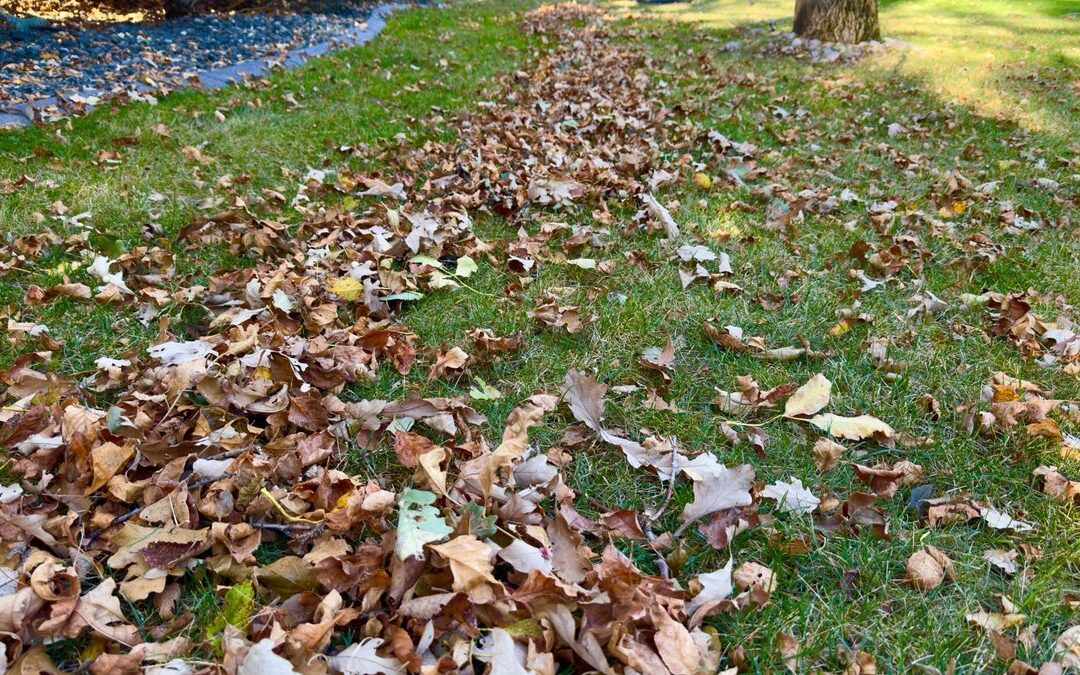
A shade tree that sheds leaves in July is often reacting to heat and dry soil. Some species do it by design. Here is how to read the signs before you change the watering.
Ways to Remove Old Landscape Fabric
Old weed cloth rarely lifts out in one clean sheet. Mulch, gravel and roots tie it down. These are the ways to pull it up while protecting the plants you plan to keep.
Working Near Utility Lines and Large Trees
A big tree growing into overhead wires is not a weekend pruning job. Utility rules, state clearance laws and electrical safety orders decide who does the work and how close anyone can get.
How Allowances Affect the Final Landscape Bill
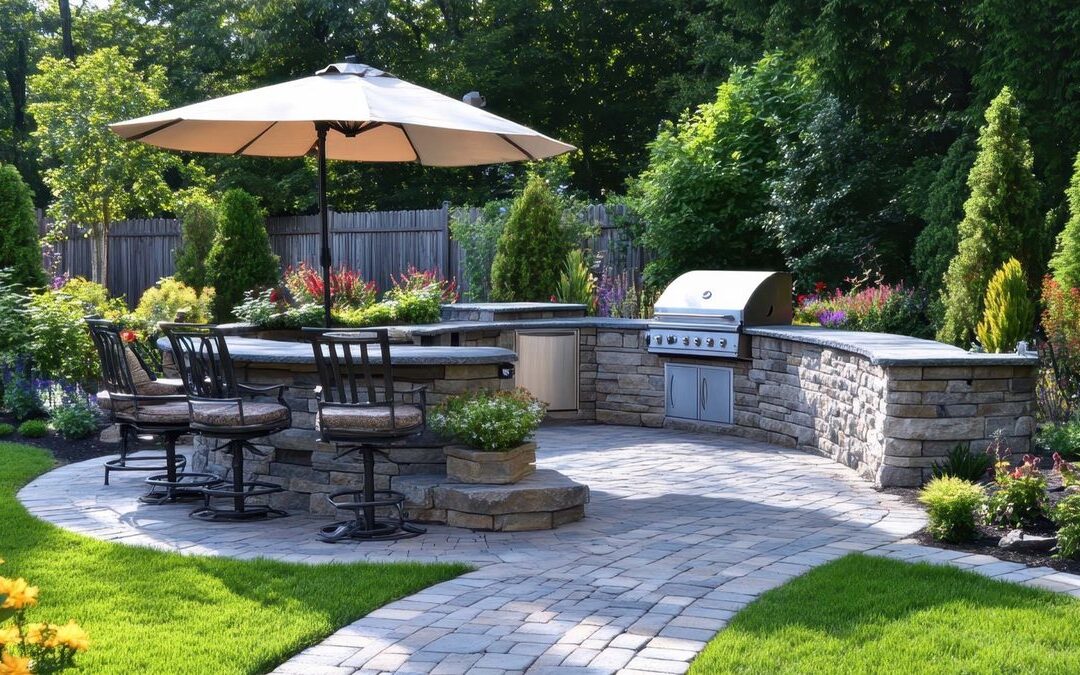
An allowance is a placeholder for a material or fixture you have not picked yet. It can make a bid look tidy and still move the final bill. Here is how to read one.

The Difference Between a Sketch and a Buildable Yard Plan
A napkin sketch shows the idea. A buildable plan shows where every edge, slope and pipe goes. Here is what separates the two and how to tell which one your project needs.

Questions to Ask About a Landscaping Contract
A landscaping contract decides what happens when plans change, weather stalls work or a payment comes due. These are the questions to settle on paper before the first shovel goes in.
Signs a Tree Has Root Collar Problems
The spot where trunk meets roots hides many tree problems. Buried flares, string trimmer wounds and wet mulch can all start decline there. Here is what to look for at ground level.
Gardening Near Large Valley Oaks
Old valley oaks grew up with dry summers and wet winters. Lawns, sprinklers and new beds can upset that balance. Here is how to garden under an oak while keeping it healthy.

How to Schedule Demolition Before New Work
Tear out looks like the easy part of a yard project. Done in the wrong order, it can cut irrigation lines, crush roots and leave mud in the street. Here is a sensible sequence.

How to Read the Watering Rules for Your Sacramento Address
City of Sacramento water customers follow sprinkler days set by season and house number. Other providers set their own rules. Here is how to read the schedule for your address.