Bare soil that keeps washing off beside a path is a sign of how water leaves the paving. Here is how to read the pattern and slow it down without reworking the whole walk.
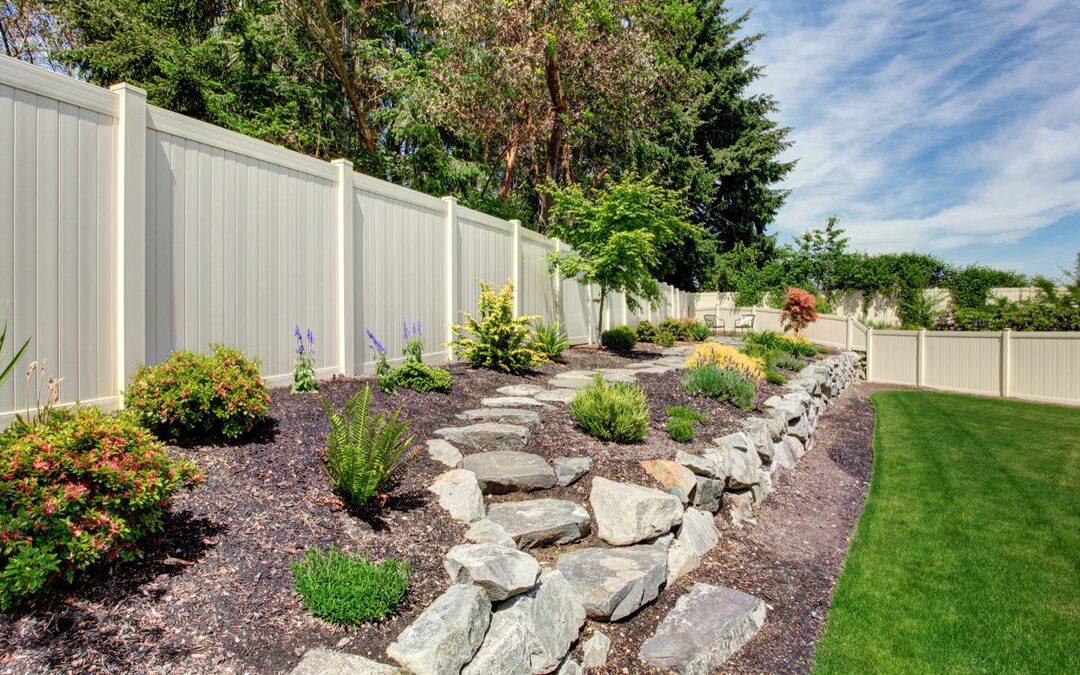
Water Flow and Soil Erosion Beside Walkways
read more

Bare soil that keeps washing off beside a path is a sign of how water leaves the paving. Here is how to read the pattern and slow it down without reworking the whole walk.
Almost every slab cracks somewhere. Here is how to tell a surface shrinkage line from a crack that is growing, shifting or letting water under the patio.
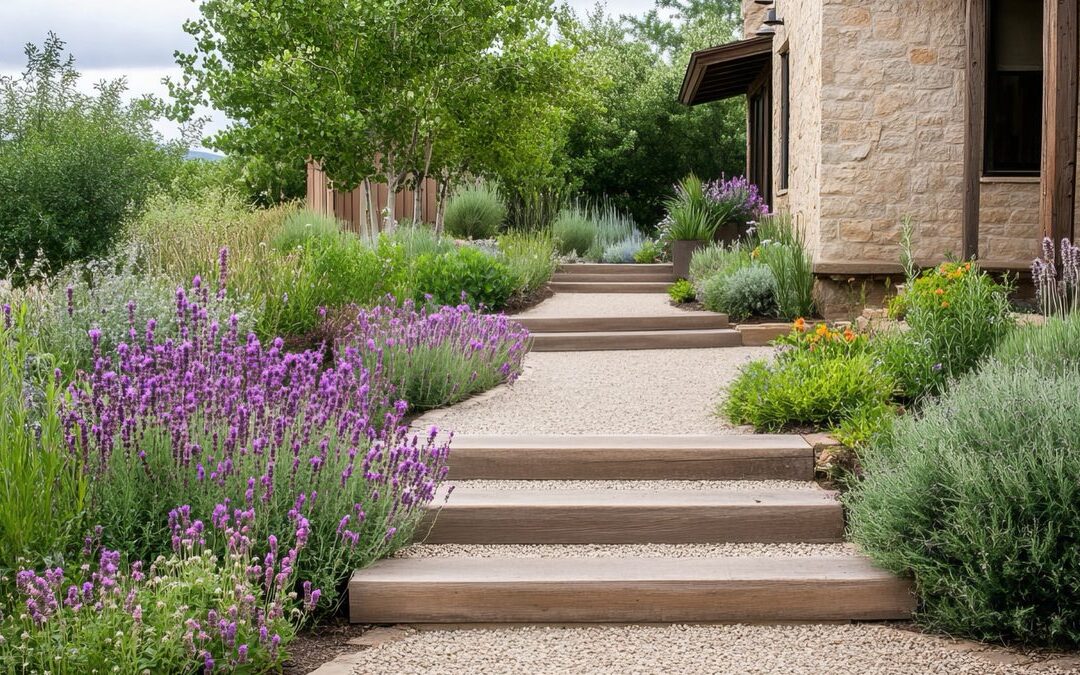
A short slope between a patio and a lawn often calls for a few steps. Here is what to think through about footing, water, traction and handrails before anyone digs.
Sealer can keep oil spots and weeds in check on a paver patio. It also adds upkeep and can change traction. Here is how to decide, and why it never cures shifting pavers.
A narrow strip of soil between a patio and a fence rarely stays tidy. Here is how to plan beds beside pavers with enough room for roots, water and mature plant size.
A paver walk can look tight on the day the last stone goes down and still sprout green threads in every gap by spring. Weeds between pavers rarely come up from deep below the base. Most start right at the surface, in the thin strip of sand and grit that fills each...
Rain that lands on a patio has to go somewhere. If the surface is dead level, water sits in shallow puddles. Tilt it the wrong way and water runs toward the house. Patio slope drainage is the planned fall that moves water off the surface and toward a place that can...
Plain sand in paver joints can wash out and collect grit. Polymeric sand joints aim to fix that by binding the sand grains together once water activates the binder. The result is a firmer joint that resists washout. Whether it suits your patio depends on joint width,...
Pavers that sat flat for years can start to dip, rock or tilt after a wet winter. A trip edge appears where two stones meet, and puddles form where water used to drain away. The surface tells you something moved, but it does not tell you why. Sorting through the usual...
A patio that looks inviting in April can be too hot to cross barefoot by July. Long, sunny Sacramento summers push surface choice up the list when planning outdoor space. Cooler patio materials help, but shade usually does more than any single product, and the two...
A new patio or path often runs right past an established tree. Pouring concrete near tree roots involves digging, compacting and grade changes. Each step can harm a tree that took decades to grow. The damage may not show until long after the forms come off. UC...
Plenty of patios sit empty in late summer, and the furniture is rarely to blame. Patio sun exposure decides whether a seating area works at the times people want to use it. A spot with afternoon sun in a Sacramento August can feel like the inside of an oven. Mapping...
Standard concrete sheds every drop that lands on it. Permeable concrete surfaces take a different approach, letting water pass through open pores into a stone layer below. For a homeowner worried about runoff, that sounds like an easy win. The real answer depends on...
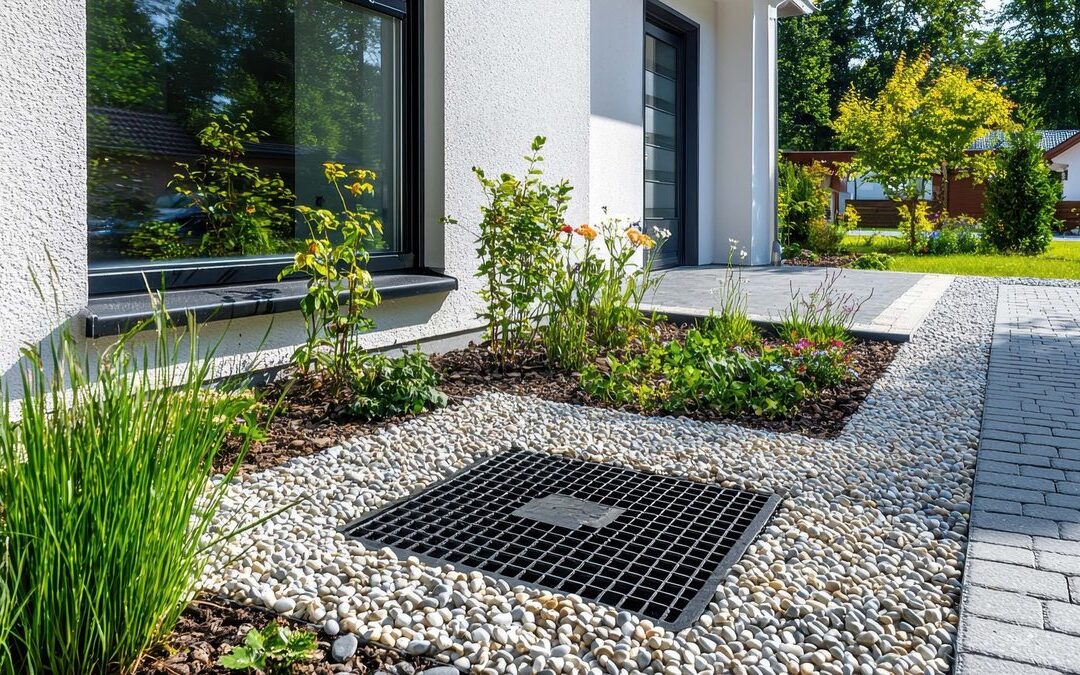
Many yards have a grate in the lawn or a pipe attached to a downspout that seems to lead nowhere. The inlet gets attention because people can see it. Yard drain outlets, the places where that water finally leaves the pipe, often get forgotten until a heavy rain backs...
A paver patio can look perfect on the day it is finished and loose a few years later. Borders drift outward, joints widen and the pieces near the edge rock underfoot. In many cases the problem starts with missing or failing paver edge restraints. Edging is easy to...

Many households can afford one paved project this year, not two. The patio versus walkway question comes down to which problem bothers people more, having nowhere comfortable to sit or having no good way to get from one place to another. Watching how the yard gets...

A garden path that feels easy for one person can be a hazard for another. Loose gravel, a lifted paver edge or a dark step can stop a walker or catch a cane tip. Accessible garden paths reduce those risks for older adults, people using mobility devices and anyone...
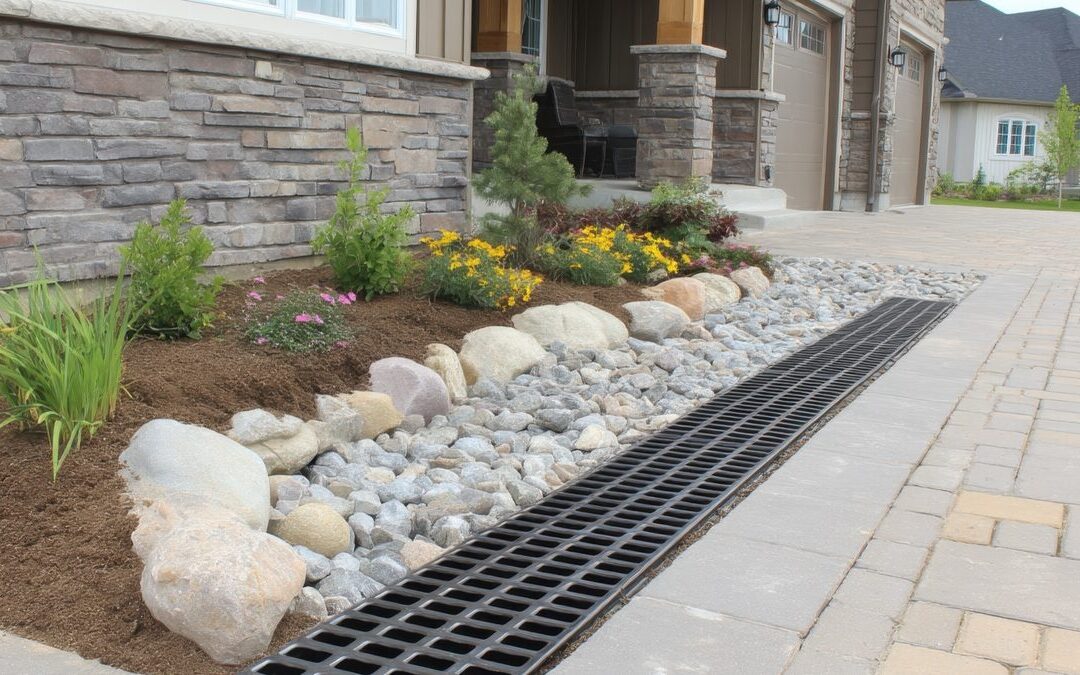
A puddle at the edge of a patio after a storm seems harmless at first. Over time, standing water stains surfaces, washes out joint sand, feeds moss and can soak soil near the house. Understanding patio puddles causes is the first step toward a lasting fix. Most...
A paver walkway that once looked flat can develop a dip over the years. Water gathers there, edges catch toes and the pattern drifts out of line. Sunken paver repair is often straightforward, yet it only lasts when someone fixes the reason for the dip underneath....
The straight grooves cut across a sidewalk or patio are easy to overlook. They are not decoration. Concrete control joints give a slab a planned place to crack as it shrinks, so cracks follow neat lines instead of wandering across the surface. Owners planning a new...
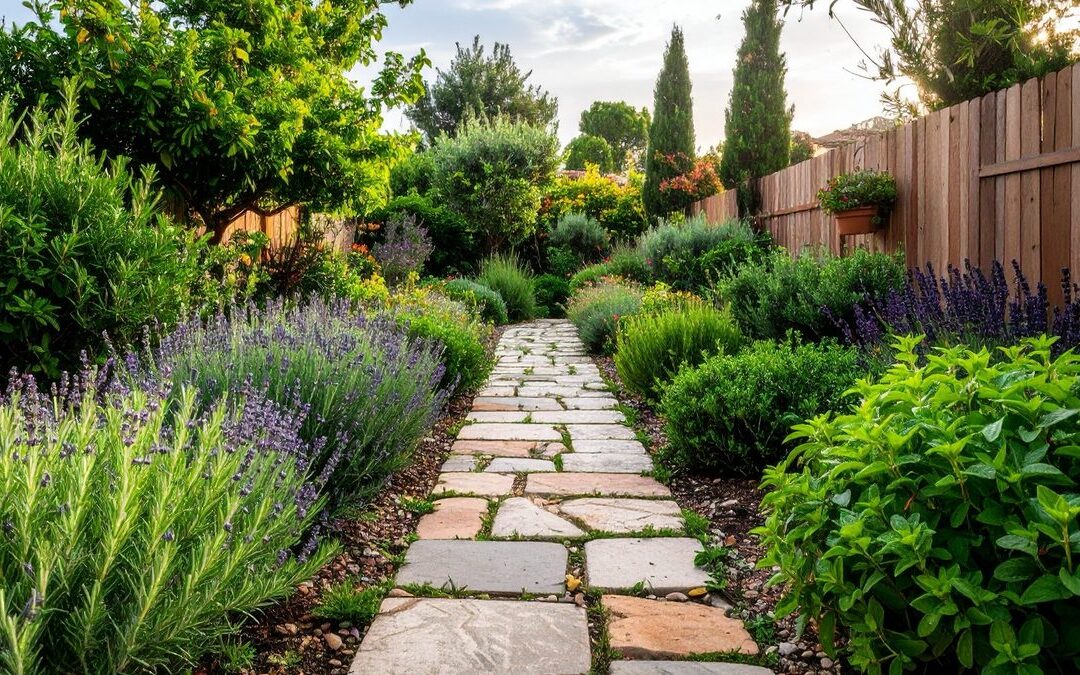
Flagstone brings natural color and texture to a garden route. Each piece is irregular, so no two paths look the same. Flagstone walking paths can also rock, crack or trip people when the stone and base do not match how the path gets used. Thickness is one part of the...
Outdoor concrete takes rain, sprinkler spray, pool splash, leaves and moss. The finish on the surface decides how well shoes and tires grip under those conditions. Concrete slip resistance comes mostly from texture, and the finishing crew sets that texture in the...
The spot where a patio meets the back door gets more use than any other part of the yard. People carry food, push strollers and step out in slippers. Patio doorway transitions have to handle that traffic while keeping rain and irrigation water away from the house....
Pavers and concrete seal off the ground below them. Any pipe or wire that later needs to cross that area means lifting pavers or cutting concrete. Patio conduit planning avoids that by deciding what runs under the patio before the base goes in. The work has two parts....
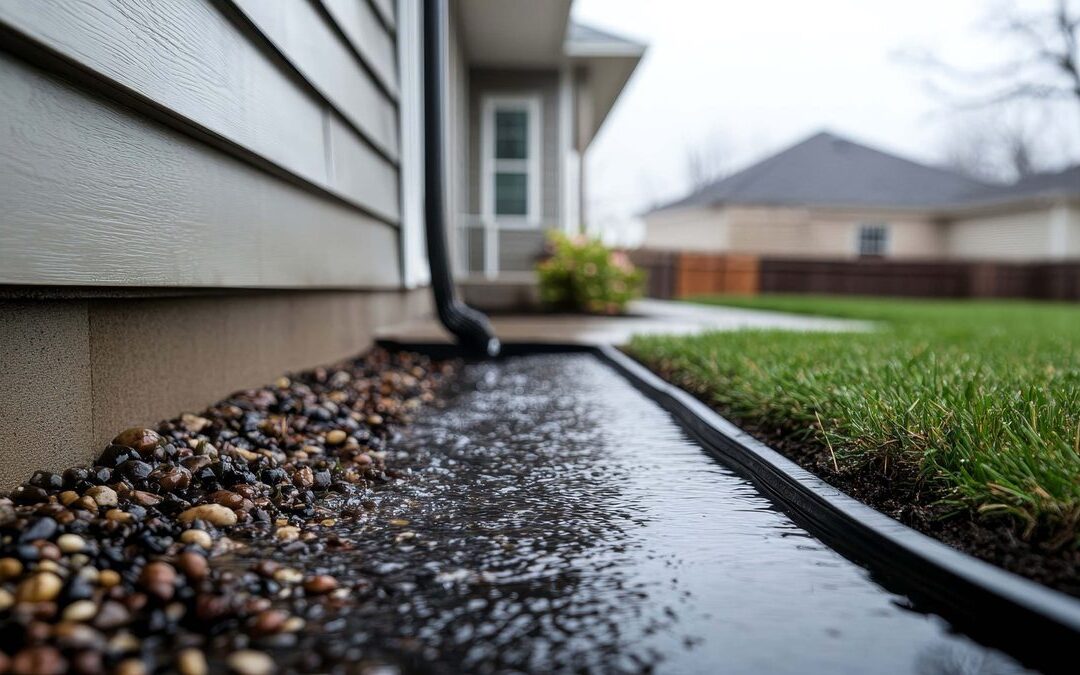
Rain that should soak into a yard sometimes rolls across it instead. In many Sacramento neighborhoods, heavy clay soil and years of foot traffic leave the ground hard and slow to absorb water. Clay runoff foundation trouble is a common result. Water collecting near a...
The gravel layer under pavers does most of the work. How thick it should be depends on what will travel over it, the soil below and how water drains away.
Concrete pavers and natural stone can both make handsome patios and paths. They differ in how even they are, how they handle water and heat and what they need over time.

The routes people already walk across a yard reveal where paving belongs. Mapping those paths before design helps place walks, patios and gates where they will actually get used.
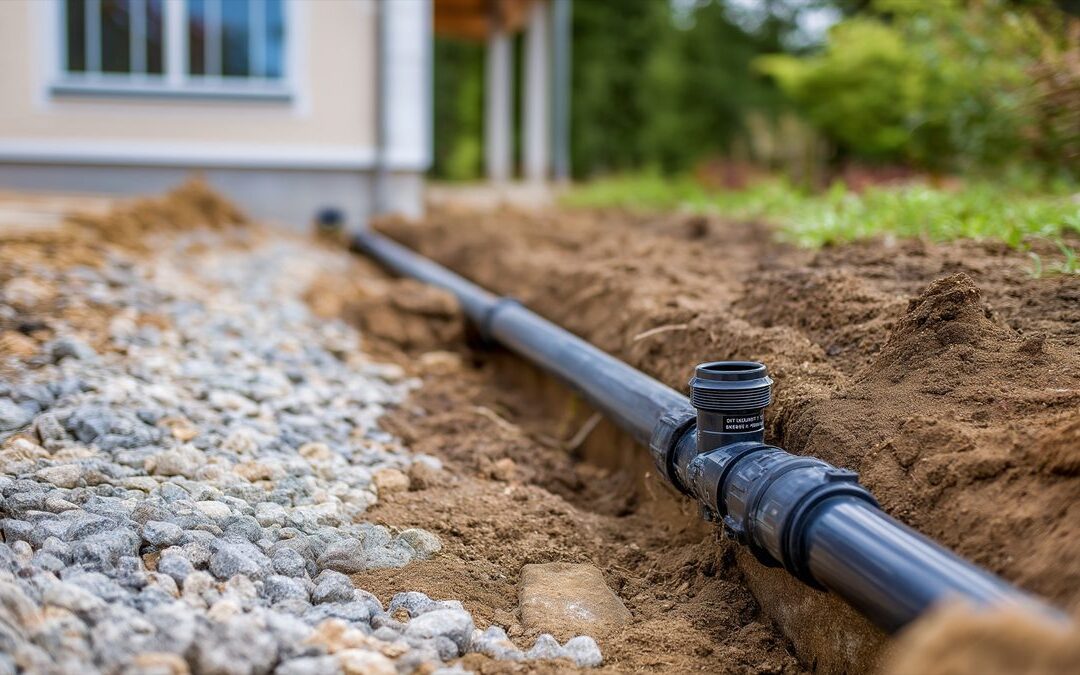
French drains and surface drains both move water, yet they solve different problems. One collects water from soil through gravel and pipe, while the other catches runoff at the surface and carries it away.
A pool deck takes wet feet, dripping towels and full summer sun. Choosing pavers with the right texture, color, base and drainage keeps the area safer and more comfortable.