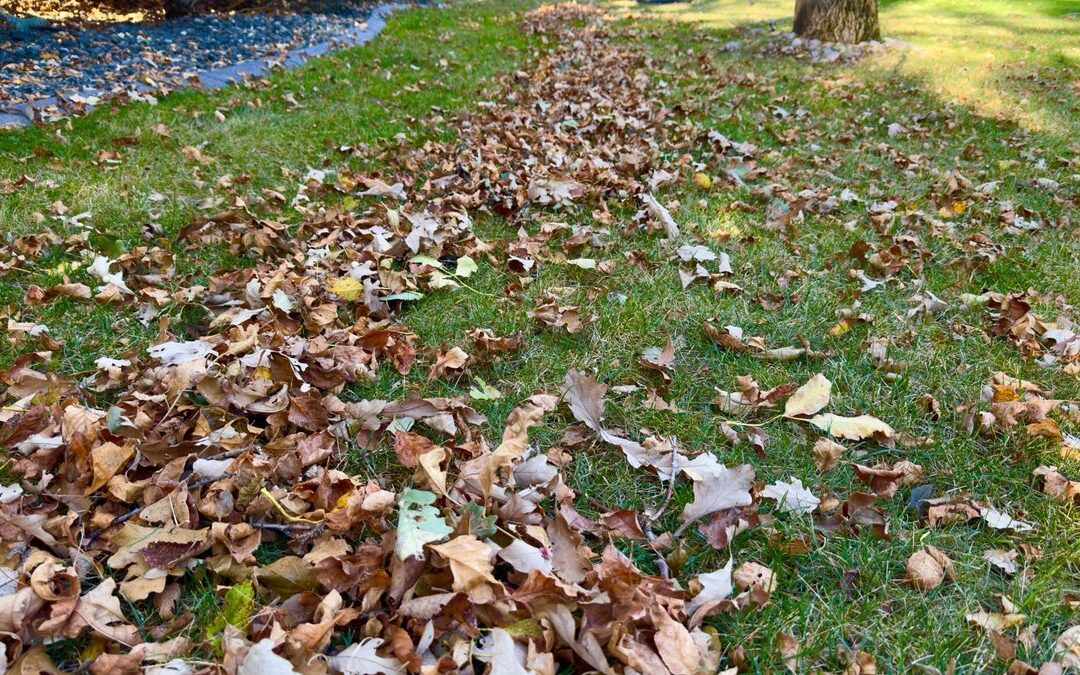
A shade tree that sheds leaves in July is often reacting to heat and dry soil. Some species do it by design. Here is how to read the signs before you change the watering.
Why Sacramento Shade Trees Drop Leaves in Summer
read more

A shade tree that sheds leaves in July is often reacting to heat and dry soil. Some species do it by design. Here is how to read the signs before you change the watering.
A big tree growing into overhead wires is not a weekend pruning job. Utility rules, state clearance laws and electrical safety orders decide who does the work and how close anyone can get.
The spot where trunk meets roots hides many tree problems. Buried flares, string trimmer wounds and wet mulch can all start decline there. Here is what to look for at ground level.

Large tree work carries real risk to people and property. Here is how to check a company’s license, credentials, insurance and written scope before anyone climbs.
A new patio or trench can harm a tree that looks far away. Here is how wide roots spread, how digging and compaction affect them and why an arborist belongs in the plan.
A street tree hanging over a sign or lifting the sidewalk raises a fair question about who handles it. Here is how the City of Sacramento splits the duties.
Mushrooms popping up beside a trunk after the first fall rain tend to cause alarm. Some are harmless. Others are the visible tip of tree root fungi that have been working inside the roots or lower trunk for years. A mushroom alone cannot tell you which case you have,...
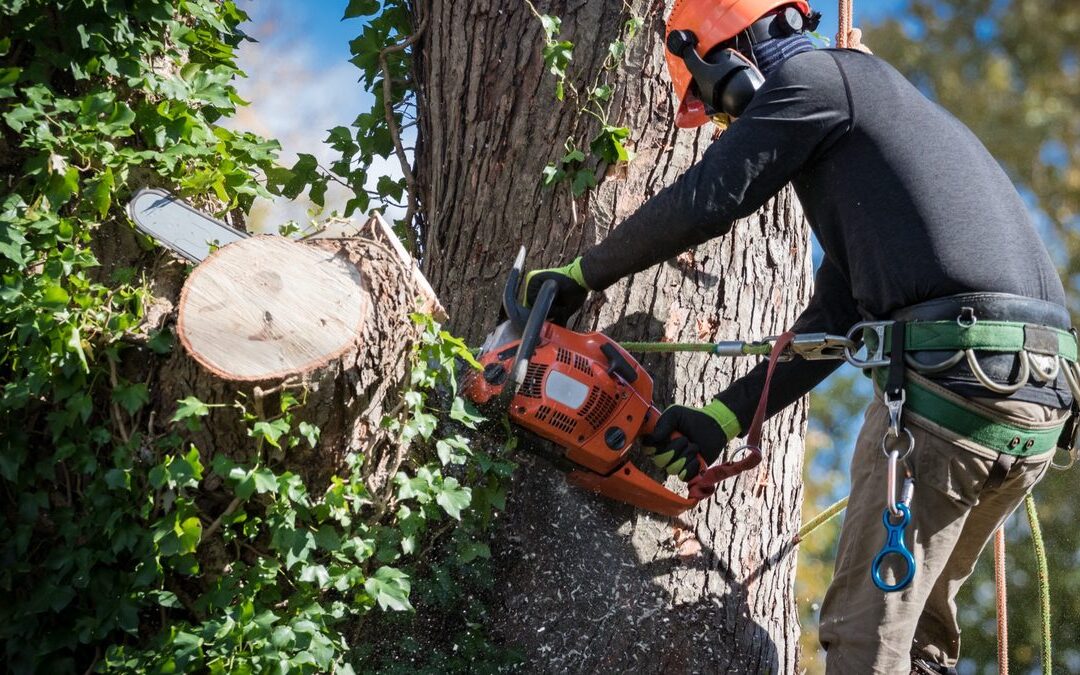
Two estimates for the same tree can use different words for one job. One says trim and another says prune. In everyday speech, trimming versus pruning is mostly a difference in tone, not a difference in technique. The words that count on a quote are the goal of the...
Once a tree is gone, only the paperwork can show that someone approved the work. Tree work permit records protect you when a buyer's inspector asks about a missing oak or when a neighbor questions a removal. They also help the next person who works on the yard...
A mature shade tree rarely dies the week a project ends. It thins out a year or two later, drops limbs or leans after a winter storm. By then the crew has filled the trench and finished the patio, so the cause is easy to miss. Construction root damage often sits...
Ask three companies to look at the same tree and you may get three very different numbers. That spread does not always mean someone is overcharging. More often, each bid describes a slightly different job. Knowing the main tree work estimate factors helps you see...
Grinding a stump leaves a mound of shredded wood mixed with soil where the trunk once stood. Many homeowners are surprised by the size of that pile. Stump grinding wood chips can be put to use, hauled away or set out for collection, and the right choice depends on the...

Most owners notice a problem with a big tree only after something changes, and a tree arborist inspection is the usual next step. A limb drops onto the driveway, the canopy looks thin in June or a trench goes in beside the trunk. An inspection by a qualified arborist...
A crack in the bark is easy to spot and hard to explain. Many owners call it tree bark sunscald, and sometimes the guess is close. Several other problems leave similar marks. The right response depends on which one is at work. UC guidance draws a line between sunscald...
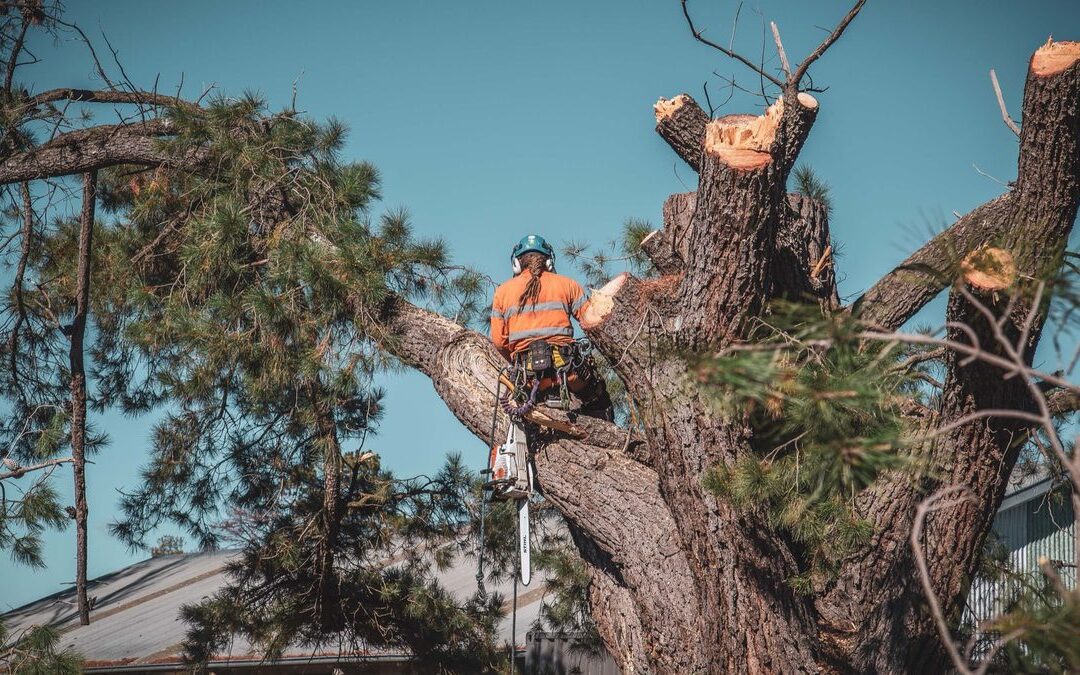
Many homeowners expect a clean patch of soil once a tree comes down. What they get is a stump, a web of roots and ground that keeps changing for years. Tree removal roots stay in place unless someone digs them out, and their slow decay affects whatever goes on that...
Owners thinking about removing a large tree often ask the same thing first. Do I need permission? Inside City of Sacramento limits, a Sacramento tree removal permit applies to some trees and not others, and the difference turns on where the tree stands, what kind it...
Every winter, deciduous trees drop their leaves and look lifeless for months. Some of those bare branches will leaf out again in spring and some never will. Sorting dead branches versus dormancy is worth the effort, since dead wood can fall, while dormant wood just...
Many homeowners treat the fence as the edge of their land. Fences get built where it is convenient, though, not always on the legal line. Tree property boundaries matter most when someone plans to grind a stump, cut roots or remove a tree that sits near that fence....
A tree that turns pale or yellow in the middle of the growing season gets noticed fast. The common reaction is to buy fertilizer. Tree leaf chlorosis, the loss of normal green color in foliage, often has causes in the soil and roots that fertilizer will not fix. UC...
Cutting down a tree leaves a stump and a network of roots in the ground. Owners then face a choice. The question of stump grinding versus removal by digging affects how the spot looks, what can go there next and how much of the yard gets torn up. Neither method clears...
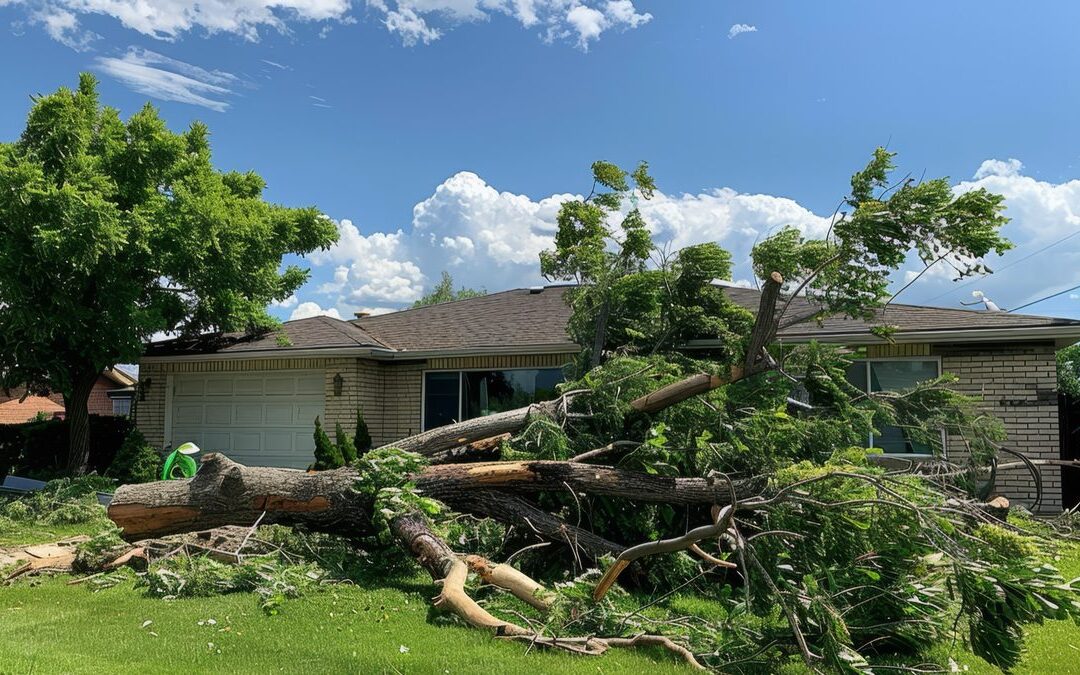
Winter storms in Sacramento bring wind and soaked soil, and sometimes a tree ends up across a street. The first minutes matter most for safety. Fallen tree reporting gets the right crews moving, while staying back keeps people out of harm's way. This topic covers who...
A neighbor's tree drops leaves in a pool, shades a vegetable bed or sends branches over the roof. The urge to grab a pruning saw is understandable. Neighbor tree trimming rules, along with plain courtesy, call for a few checks before anyone cuts. The sections below...
Large shade trees look tough, yet long rainless summers test them. Sacramento summers bring months with little or no rain. Mature tree drought stress can build for years before the damage becomes obvious. Catching the early signs gives a tree time to recover. The...
Cutting a tree back to stubs can look like a quick fix for a tall tree. The City of Sacramento calls topping harmful and unacceptable, and the problems it creates often show up years later.
A ground stump leaves a pile of chips and a ring of old roots below. Clearing chips, checking for root disease and preparing fresh soil give a new tree or shrub a fair start.

Many trees lean for years without trouble, yet a sudden or growing lean can signal root failure. Learn which signs call for quick action, who handles City trees and what to do around power lines.
Some trees on private land in Sacramento need a City permit before regulated work. Native oaks, sycamores and buckeyes qualify at smaller sizes, and large trees of any kind can qualify too.
Sacramento uses trunk diameter at standard height to decide which private trees are protected. A string, a tape measure and simple math give a number to compare with the City thresholds.
Mulch piled high against a trunk looks tidy to some eyes, yet it keeps bark wet and invites disease. UC guidance calls for a gap between mulch and trunk, and fixing a mound takes only a rake.
Building a patio beside a mature tree can damage roots that are hard to see. Planning the layout, grade and materials before construction gives both the tree and the patio a better future.