Sealer can keep oil spots and weeds in check on a paver patio. It also adds upkeep and can change traction. Here is how to decide, and why it never cures shifting pavers.
When Paver Sealing Helps and When It Does Not
read more

Sealer can keep oil spots and weeds in check on a paver patio. It also adds upkeep and can change traction. Here is how to decide, and why it never cures shifting pavers.
A paver walk can look tight on the day the last stone goes down and still sprout green threads in every gap by spring. Weeds between pavers rarely come up from deep below the base. Most start right at the surface, in the thin strip of sand and grit that fills each...
Plain sand in paver joints can wash out and collect grit. Polymeric sand joints aim to fix that by binding the sand grains together once water activates the binder. The result is a firmer joint that resists washout. Whether it suits your patio depends on joint width,...
Pavers that sat flat for years can start to dip, rock or tilt after a wet winter. A trip edge appears where two stones meet, and puddles form where water used to drain away. The surface tells you something moved, but it does not tell you why. Sorting through the usual...
A paver patio can look perfect on the day it is finished and loose a few years later. Borders drift outward, joints widen and the pieces near the edge rock underfoot. In many cases the problem starts with missing or failing paver edge restraints. Edging is easy to...
A paver walkway that once looked flat can develop a dip over the years. Water gathers there, edges catch toes and the pattern drifts out of line. Sunken paver repair is often straightforward, yet it only lasts when someone fixes the reason for the dip underneath....
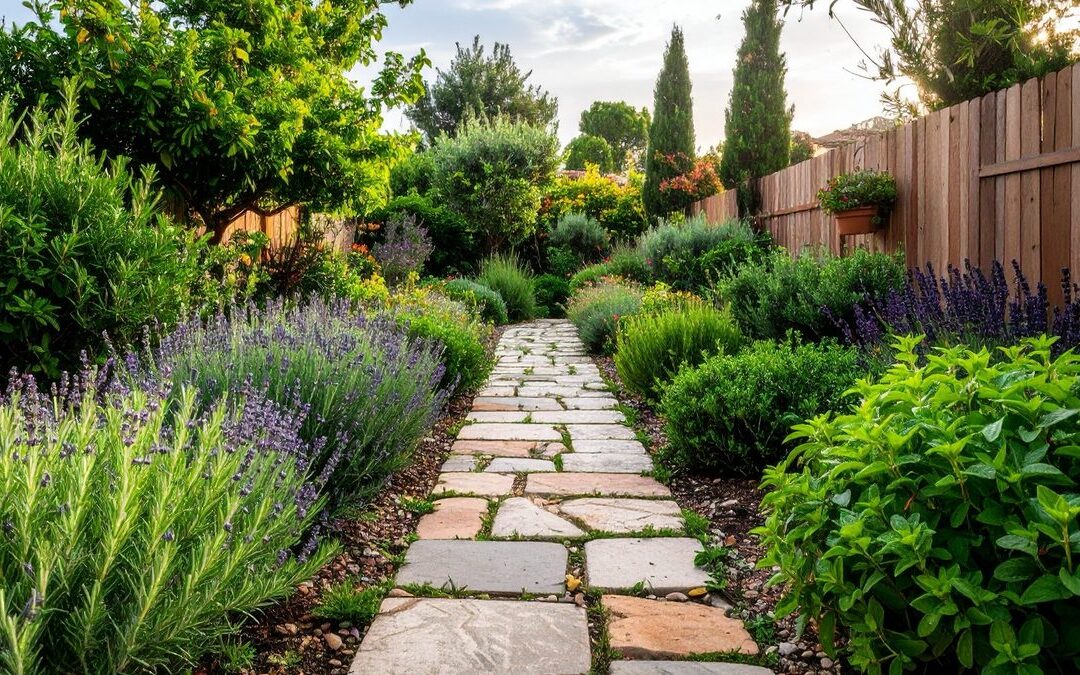
Flagstone brings natural color and texture to a garden route. Each piece is irregular, so no two paths look the same. Flagstone walking paths can also rock, crack or trip people when the stone and base do not match how the path gets used. Thickness is one part of the...
The gravel layer under pavers does most of the work. How thick it should be depends on what will travel over it, the soil below and how water drains away.
Concrete pavers and natural stone can both make handsome patios and paths. They differ in how even they are, how they handle water and heat and what they need over time.
A pool deck takes wet feet, dripping towels and full summer sun. Choosing pavers with the right texture, color, base and drainage keeps the area safer and more comfortable.