
Sacramento Landscaping Services
Understanding Polymeric Sand Between Pavers
Plain sand in paver joints can wash out and collect grit. Polymeric sand joints aim to fix that by binding the sand grains together once water activates the binder. The result is a firmer joint that resists washout. Whether it suits your patio depends on joint width,...
What California Rules Mean for Decorative Commercial Lawns
The strip of grass between an office parking lot and the street may soon need a new water source or a new purpose. California nonfunctional turf rules, set by Assembly Bill 1572, phase out the use of drinking water on decorative grass at many commercial,...
Why Tree Work Quotes Can Vary So Much
Ask three companies to look at the same tree and you may get three very different numbers. That spread does not always mean someone is overcharging. More often, each bid describes a slightly different job. Knowing the main tree work estimate factors helps you see...
How Much Water New Plants Need While They Establish
A shrub fresh from a nursery pot has all its roots packed into a small ball of soil. Until those roots grow out into the bed, the plant depends on water landing right on that root ball. New landscape watering is about bridging that gap, then stepping back as the plant...
What Causes Pavers to Settle Unevenly
Pavers that sat flat for years can start to dip, rock or tilt after a wet winter. A trip edge appears where two stones meet, and puddles form where water used to drain away. The surface tells you something moved, but it does not tell you why. Sorting through the usual...
Grass or Groundcover for a Sacramento Yard
Some yards need a lawn. Kids play tag on it, dogs run laps and the family spreads a blanket on it in spring. Other yards keep a lawn out of habit, mowing a patch that nobody walks on. The grass versus groundcover decision comes down to what the area does for you and...
Choosing Materials for Hot Sacramento Summers
A patio that looks inviting in April can be too hot to cross barefoot by July. Long, sunny Sacramento summers push surface choice up the list when planning outdoor space. Cooler patio materials help, but shade usually does more than any single product, and the two...
Why Change Orders Happen in Yard Projects
Few yard projects finish exactly as first drawn. A homeowner picks a different paver, a planting bed grows or a material costs more than planned. Landscaping change orders are the written records that handle those shifts, and California sets clear rules for them on...
What to Check Before Pouring Concrete Near Trees
A new patio or path often runs right past an established tree. Pouring concrete near tree roots involves digging, compacting and grade changes. Each step can harm a tree that took decades to grow. The damage may not show until long after the forms come off. UC...
What Happens to Wood Chips After Stump Grinding
Grinding a stump leaves a mound of shredded wood mixed with soil where the trunk once stood. Many homeowners are surprised by the size of that pile. Stump grinding wood chips can be put to use, hauled away or set out for collection, and the right choice depends on the...
Locating Buried Utilities Before Digging
Planting a tree, setting fence posts or trenching for irrigation all put a shovel into ground that may hold gas, electric, water or communication lines. In California, the rule is simple. Call 811 before digging so utility operators can mark their lines first. The...
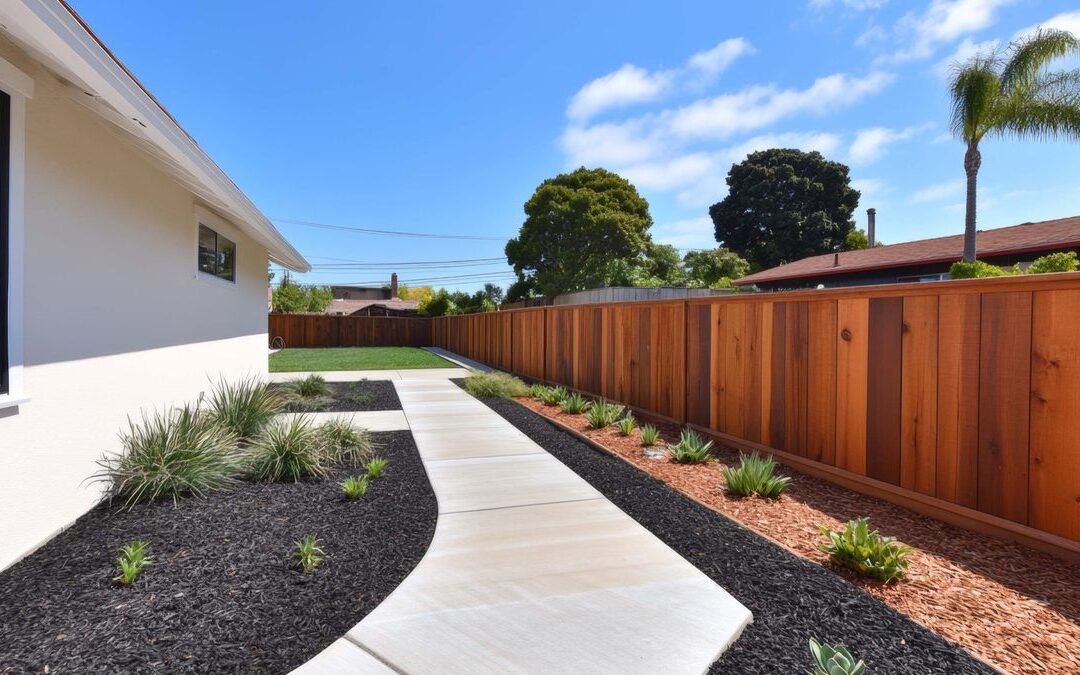
Making Room for Trash Bins and Utility Access
A new yard plan often focuses on plants, patios and lawn. The narrow side yard where trash carts roll and the corner where the electric meter sits get less attention. Outdoor utility access deserves a place on the plan from the start, since fixing a blocked route...
Sacramento Heat Changes Which Plants Can Survive
Sacramento summers are long, hot and dry. Plants that thrive in a mild coastal garden may struggle here by August. Choosing Sacramento summer plants that already handle local heat makes a yard easier to keep healthy, and siting and watering do the rest. Local...
How Infill Changes the Feel of Artificial Grass
Look closely at many synthetic lawns and you will see small granules settled between the blades. That layer is the infill. Artificial turf infill comes in many materials, and the choice affects what is in the lawn, how it handles heat and what questions to ask a...
Reading Your Lot Before Choosing Groundcover
Groundcovers are often chosen from a photo or a nursery tag. The plant then goes into a spot with different sun, soil or water than it needs. Checking groundcover site conditions first gives each plant a better chance and makes the whole bed easier to care for. A...
What Belongs Under Artificial Turf
Synthetic grass that ripples, holds puddles or sinks in spots usually has a problem below the surface. Artificial turf base layers carry the load, move water away and keep the top looking flat. The blades and infill get the attention in a showroom. What lies under...
When to Mow Newly Laid Sod
Fresh sod tempts people to treat it like an established lawn right away. It is green, even and already the right height. The first sod mowing should wait, though, because the grass on top is only as secure as the roots underneath. A mower that rolls over loose sod can...
What Goes Into a Yard Debris Pile
A cleared yard leaves a heap that looks like one thing and is really several. Yard debris sorting starts with seeing those categories before they mix. Prunings, dirt, rock, old lumber and broken concrete each have a different destination, and a hauler or the curbside...
Does Artificial Turf Qualify for Sacramento Water Rebates
The short answer for City of Sacramento water customers is no. Its grass conversion program does not count synthetic grass, so people searching for artificial turf rebates often find the door closed. The longer answer depends on which water provider serves your...

Choosing a Lawn Area Based on Use Instead of Size
Plenty of yards carry grass from fence to fence even though the family uses one corner of it. Functional lawn size starts from a different question. Instead of asking how much lawn fits, ask how much lawn gets used and where. That shift matters for anyone converting...
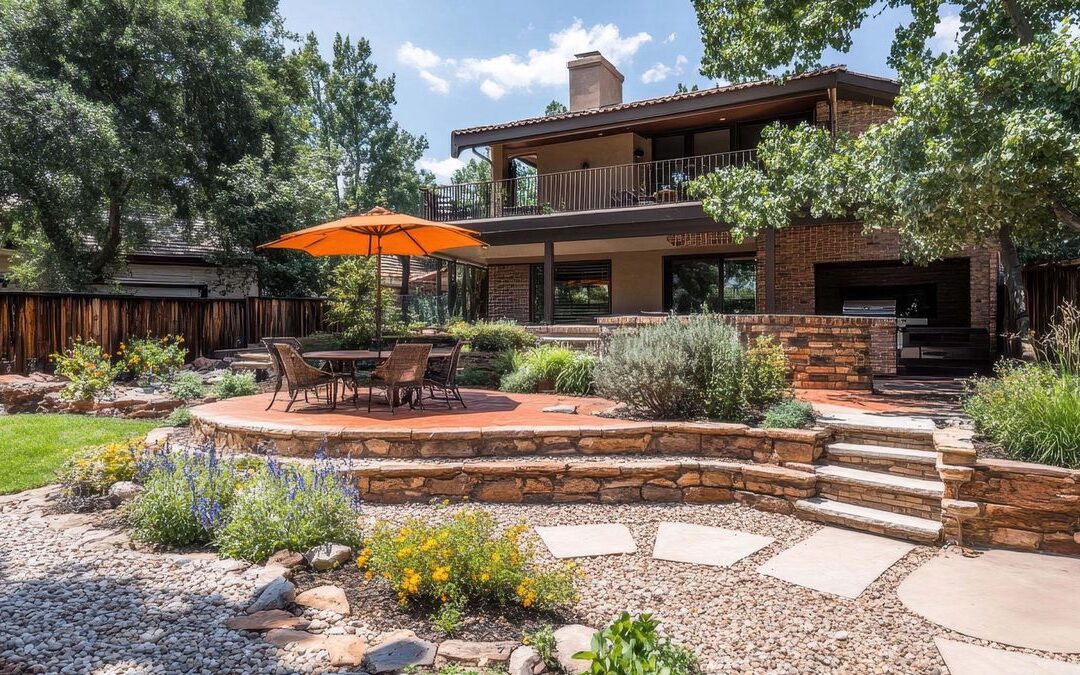
Planting for Low Water Use Without a Gravel Yard
Rock is easy to buy and hard to live with. A yard of bare gravel heats up in July, reflects glare into windows and does little for birds or bees. Low water landscape plants offer another path to a smaller water bill, one that still looks alive in August. The goal is a...

When Does a Tree Need an Arborist Inspection
Most owners notice a problem with a big tree only after something changes, and a tree arborist inspection is the usual next step. A limb drops onto the driveway, the canopy looks thin in June or a trench goes in beside the trunk. An inspection by a qualified arborist...
Deciding What to Save During a Yard Tear Out
Once a crew starts pulling up an old yard, decisions happen in minutes. A stack of pavers gets broken up because nobody said to save it. Somebody tosses a healthy shrub onto the debris pile. A yard salvage checklist written before demolition prevents both outcomes....
Diagnosing Bark Cracks After a Hot Summer
A crack in the bark is easy to spot and hard to explain. Many owners call it tree bark sunscald, and sometimes the guess is close. Several other problems leave similar marks. The right response depends on which one is at work. UC guidance draws a line between sunscald...
Measuring Slopes and Walkways Before Any Yard Work
Ground that looks flat often is not. A patio can end up tilting toward the house, or a walkway can collect a puddle at its low end. Yard slope measurements taken before any design work show those problems while they are still easy to fix on paper. None of this...
Removing Old Sod Without Damaging Tree Roots
Grass under a mature tree often looks tired, and replacing it with mulch or low plants is a common goal. The catch is what lies a few inches down. During lawn removal tree roots can suffer real injury, and the tree that made the lawn struggle may decline unless the...
Picking Seating Areas With Morning or Afternoon Shade
Plenty of patios sit empty in late summer, and the furniture is rarely to blame. Patio sun exposure decides whether a seating area works at the times people want to use it. A spot with afternoon sun in a Sacramento August can feel like the inside of an oven. Mapping...
Permeable Versus Standard Concrete for Yards
Standard concrete sheds every drop that lands on it. Permeable concrete surfaces take a different approach, letting water pass through open pores into a stone layer below. For a homeowner worried about runoff, that sounds like an easy win. The real answer depends on...
Wind and Exposure in an Open Sacramento Yard
A neighbor removes a row of tall shrubs, and suddenly the back corner of the yard feels different. Leaves on young plants look ragged and the soil dries out faster. Sacramento yard wind does not need a storm to cause trouble, especially in a spot that just lost its...
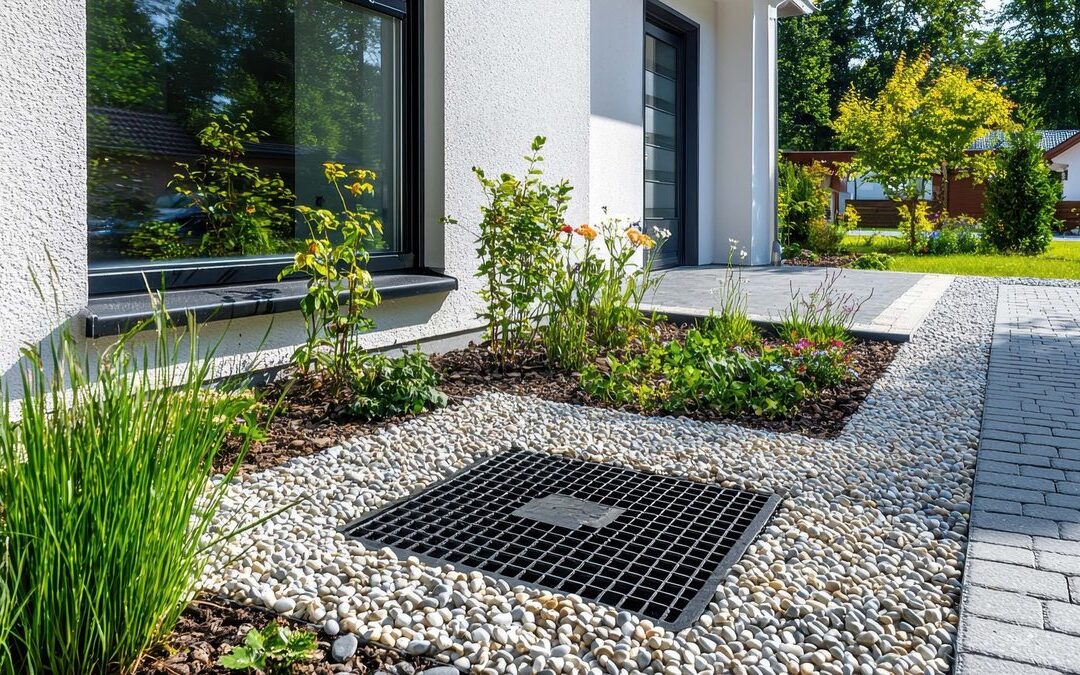
Why Drain Outlets Matter After Heavy Rain
Many yards have a grate in the lawn or a pipe attached to a downspout that seems to lead nowhere. The inlet gets attention because people can see it. Yard drain outlets, the places where that water finally leaves the pipe, often get forgotten until a heavy rain backs...