
Sacramento Landscaping Services
Repairing a Sunken Paver Walkway
A paver walkway that once looked flat can develop a dip over the years. Water gathers there, edges catch toes and the pattern drifts out of line. Sunken paver repair is often straightforward, yet it only lasts when someone fixes the reason for the dip underneath....
What Happens When a Concrete Patio Is Removed
An old concrete patio may have cracks, a tilt or simply sit in the way of a new plan. Removing it opens up space for pavers, planting or lawn. The concrete patio removal process follows a fairly standard order, and knowing it helps owners prepare the yard and ask the...
What Control Joints Do in Outdoor Concrete
The straight grooves cut across a sidewalk or patio are easy to overlook. They are not decoration. Concrete control joints give a slab a planned place to crack as it shrinks, so cracks follow neat lines instead of wandering across the surface. Owners planning a new...
Flagstone Thickness and Foot Traffic
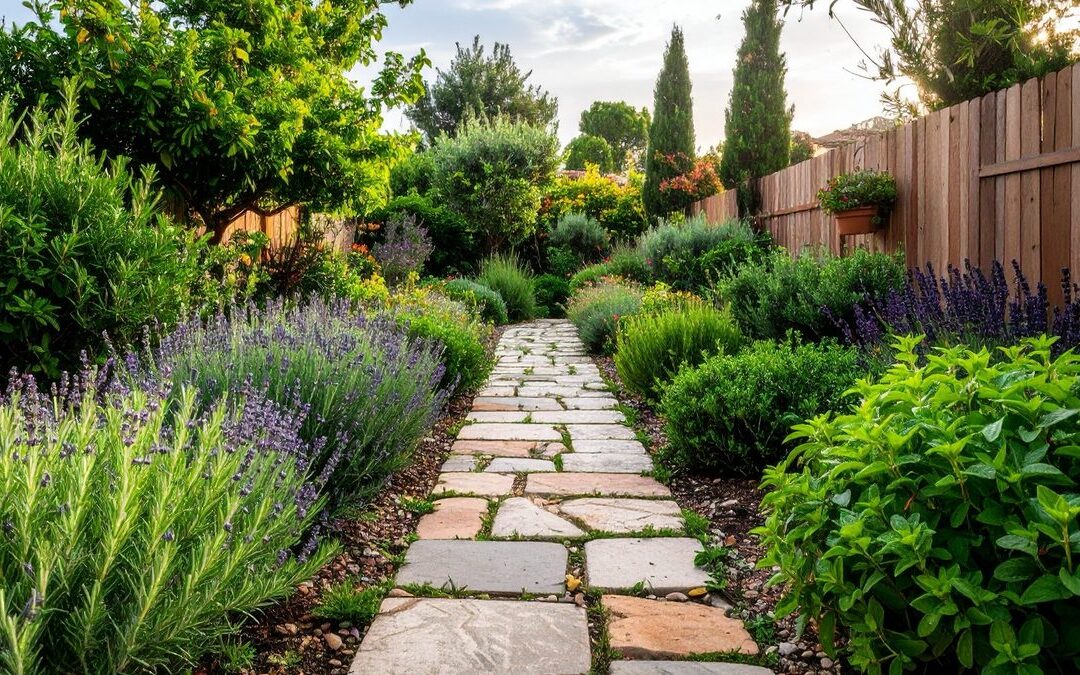
Flagstone brings natural color and texture to a garden route. Each piece is irregular, so no two paths look the same. Flagstone walking paths can also rock, crack or trip people when the stone and base do not match how the path gets used. Thickness is one part of the...
Sod or Seed for a Worn Out Yard
When a lawn is too thin to save, owners usually weigh two ways to start over. Seed is cheaper and slower. Sod is faster and costs more. The choice of sod versus seed depends on budget, season, water and how soon the yard needs to handle kids, pets and everyday use....
Tree Work Across a Shared Property Line
A neighbor's tree drops leaves in a pool, shades a vegetable bed or sends branches over the roof. The urge to grab a pruning saw is understandable. Neighbor tree trimming rules, along with plain courtesy, call for a few checks before anyone cuts. The sections below...
How Concrete Finishes Change Slip Resistance
Outdoor concrete takes rain, sprinkler spray, pool splash, leaves and moss. The finish on the surface decides how well shoes and tires grip under those conditions. Concrete slip resistance comes mostly from texture, and the finishing crew sets that texture in the...
Picking Plants With Similar Water Needs
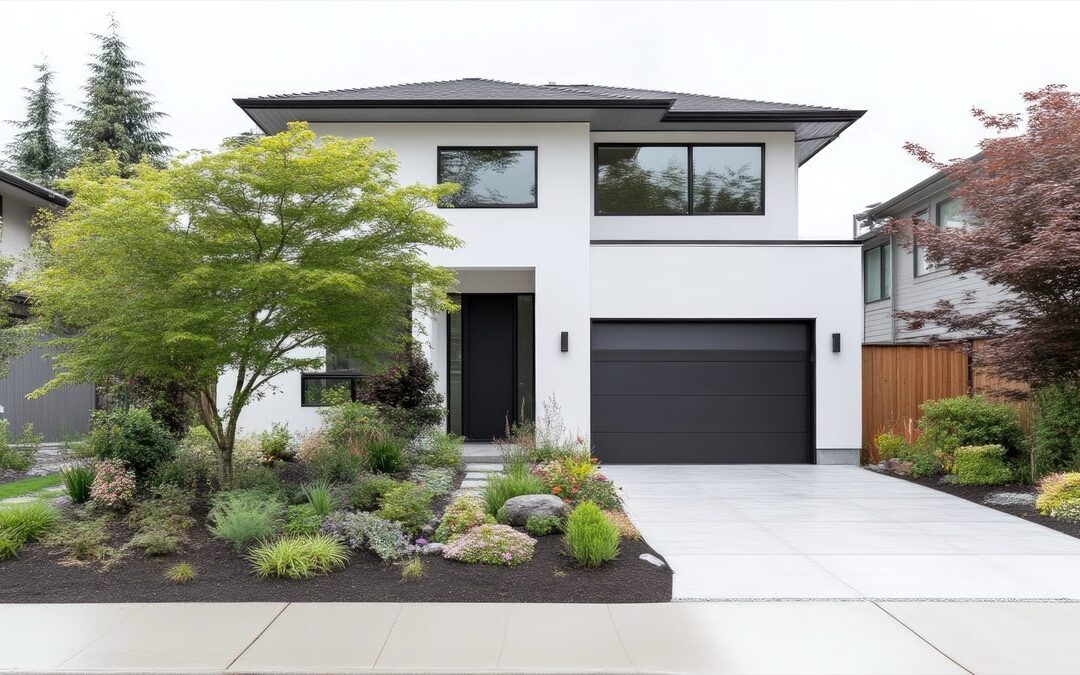
Many yards mix plants with very different thirst on one sprinkler line. A thirsty lawn sits beside drought tolerant shrubs, and a fruit tree shares a valve with natives that dislike summer water. Hydrozone landscape planning fixes that by grouping plants that need...
How Turf Drainage Works During Winter Rain
Synthetic turf stays green through winter, yet rain still has to go somewhere. Owners sometimes find puddles, soggy spots or smells after a storm and wonder whether the turf is failing. Artificial grass drainage depends on several layers working together, and the turf...
Which Yard Changes Need a Site Survey
Planning a new yard usually starts with a tape measure and a rough sketch. That works for many projects. A landscape site survey becomes more important when work sits near property lines, changes the grade or crosses buried utilities and easements. The word survey...
How a Patio Connects to the House Threshold
The spot where a patio meets the back door gets more use than any other part of the yard. People carry food, push strollers and step out in slippers. Patio doorway transitions have to handle that traffic while keeping rain and irrigation water away from the house....
How to Plan a Lawn Border That Can Be Mowed
Mowing the open middle of a lawn is quick. The edges take longer, with string trimmers, hand clippers and a lot of bending. Mowable lawn borders reduce that work by letting the mower do more of the job along beds, walls and paths. Small layout choices make the...
Preparing a Yard Before Major Landscaping
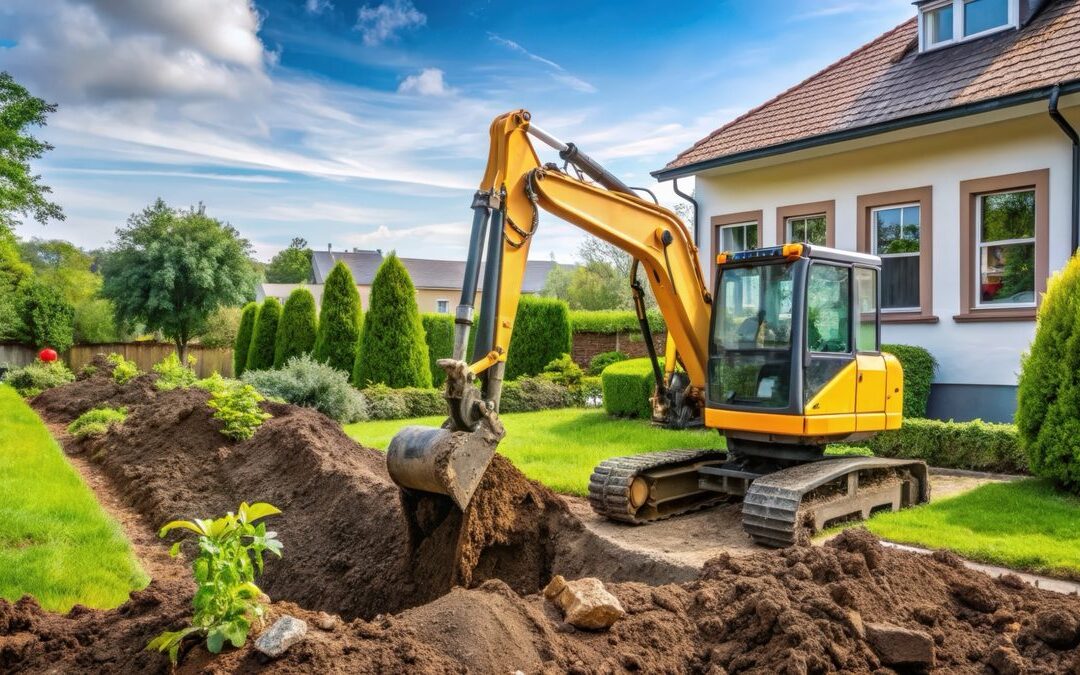
A major landscape project brings machines, materials and crews into a yard that usually holds patio furniture, pets and plants. The work goes smoother when the site is ready. Yard site preparation is the set of decisions and tasks that happen before the first shovel...
Preparing a Yard for Valley Fog and Cold Nights
Sacramento winters are mild compared with much of the country, yet they bring their own challenges. Tule fog can blanket the valley for days, while clear nights can drop below freezing. Sacramento winter yards need a plan for both cold snaps and long stretches of...
What to Decide Before Pavers Cover Utility Lines
Pavers and concrete seal off the ground below them. Any pipe or wire that later needs to cross that area means lifting pavers or cutting concrete. Patio conduit planning avoids that by deciding what runs under the patio before the base goes in. The work has two parts....
When Synthetic Grass Needs Repairs
Synthetic grass is often sold as a surface that needs little care. It does last a long time, yet seams can pull apart and busy areas can wear thin. Artificial turf seam repair is one of the most common fixes owners face. Most repairs start with a phone call rather...
Questions to Ask Before Redesigning a Sacramento Yard
Redesigning a yard starts long before plants or pavers arrive. Good questions up front prevent changes halfway through a project. A yard renovation checklist keeps those questions in one place. The list below follows a simple order. Start with how the yard gets used,...
What Changes the Price of a Sacramento Landscape Project
Two yards of the same size can receive very different estimates. Square footage tells only part of the story. Landscape cost factors include the site, the materials, the rules and the contract itself. Knowing those factors helps owners read estimates and plan a...
Recognizing Drought Stress in Established Trees
Large shade trees look tough, yet long rainless summers test them. Sacramento summers bring months with little or no rain. Mature tree drought stress can build for years before the damage becomes obvious. Catching the early signs gives a tree time to recover. The...
When Compacted Soil Sends Runoff Toward the House
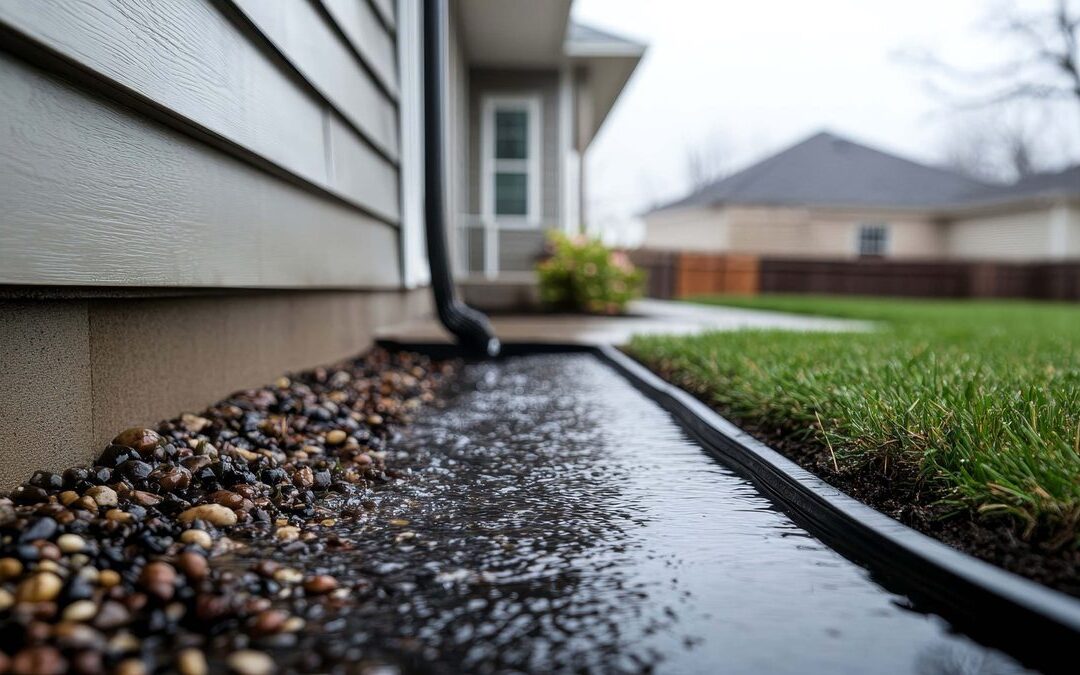
Rain that should soak into a yard sometimes rolls across it instead. In many Sacramento neighborhoods, heavy clay soil and years of foot traffic leave the ground hard and slow to absorb water. Clay runoff foundation trouble is a common result. Water collecting near a...
Why Topping a Tree Creates New Problems
Cutting a tree back to stubs can look like a quick fix for a tall tree. The City of Sacramento calls topping harmful and unacceptable, and the problems it creates often show up years later.
Understanding Payment Schedules for Outdoor Work
A clear payment schedule protects both the owner and the contractor. California rules limit down payments, tie progress payments to finished work and require written change orders.
When Cleanup Reveals Hidden Drainage Problems
Clearing an overgrown yard can reveal soggy spots, ponding and dying roots that the plants once hid. Knowing what those signs mean helps owners decide what to fix before planting again.
Why Paver Base Thickness Depends on Use
The gravel layer under pavers does most of the work. How thick it should be depends on what will travel over it, the soil below and how water drains away.
Can You Plant Where a Stump Was Ground
A ground stump leaves a pile of chips and a ring of old roots below. Clearing chips, checking for root disease and preparing fresh soil give a new tree or shrub a fair start.
Signs of Too Much Water in a New Planting Bed
New plantings need regular water, yet too much can drown roots. Learn why soggy soil and dry root balls can look alike and how to check before adding more water.
Why Some Lawns Fail Under Mature Trees
Lawns often fade under mature trees, leaving thin patches and bare soil. Shade, root competition and watering habits all play a part, and UC guidance offers ways to help or to switch to another surface.
When a Site Needs Erosion Control
Winter storms can strip soil from slopes and bare beds in a single afternoon. Covering soil, slowing water and planting with deep roots keep the ground in place.
Concrete Pavers Compared With Natural Stone
Concrete pavers and natural stone can both make handsome patios and paths. They differ in how even they are, how they handle water and heat and what they need over time.

When a Leaning Tree Needs Immediate Attention
Many trees lean for years without trouble, yet a sudden or growing lean can signal root failure. Learn which signs call for quick action, who handles City trees and what to do around power lines.